
Giant festival lanterns on a grand scale are unforgettable attractions in theme parks, botanical gardens, squares of cities, shopping malls, and other cultural festivals worldwide. Nevertheless, to be able to admire such lanterns, each lantern needs to go through a complex process of traveling internationally. Since giant lanterns consist of metal structures, decorations, lighting, and sculptures, they require a good transportation strategy.
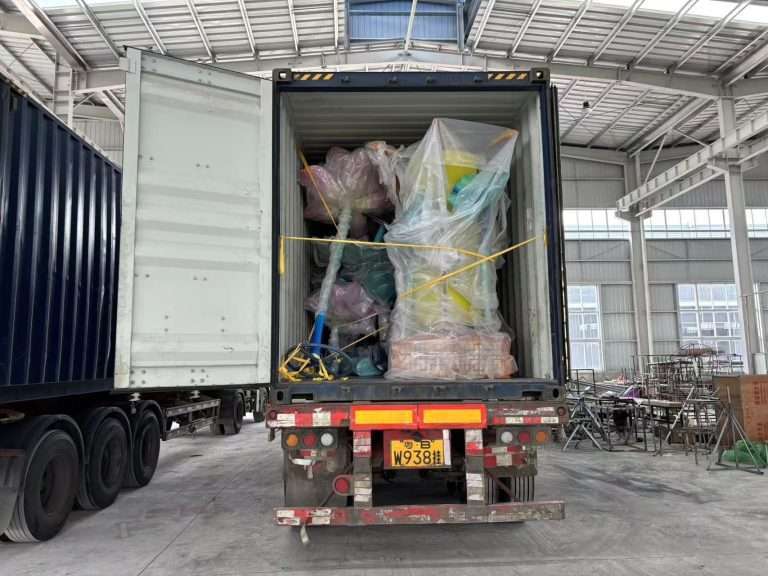
A well-prepared transportation strategy not only will keep the lanterns safe during the trip but will also cut down the time required for installation and the expenses of the project.
Why Giant Festival Lanterns Require Special Shipping Methods
As opposed to normal items, the custom-made giant festival lanterns are large-sized, oddly-shaped, and made up of many different materials. In cases of marine shipping, they can face issues like vibration, moisture, excessive loading, and motion inside the container.
Some common shipping hazards are:
- Surface scratches on painted decorations
- Damage to silk or fabric coverings
- Moisture affecting LED lighting systems
- Deformation of large steel structures
- Loose electrical components caused by vibration
Professional manufacturers address these risks long before the lanterns leave the factory.
Modular Design Makes Transportation Safer
One of the best solutions that can help safeguard the big lanterns would be a modular design approach.
This will ensure that rather than shipping the entire lantern at once, the lantern is manufactured as smaller modules.
The benefits include:
- Easier loading into shipping containers
- Lower transportation costs
- Reduced stress on decorative surfaces
- Faster installation at the project site
- Simplified replacement if a component is damaged
Large entrance arches, giant animals, castles, flowers, and themed sculptures are commonly shipped using this modular approach.

How Giant Festival Lanterns Packed for Maximum Protection
Steel Frames Are Reinforced Before Shipping
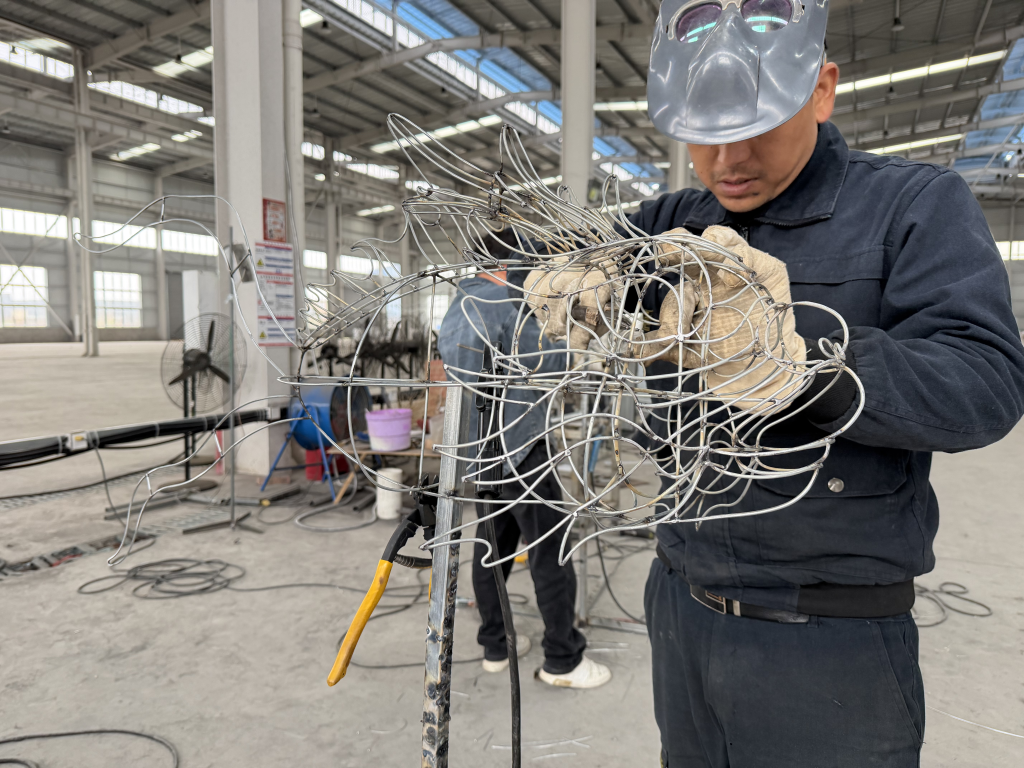
Each lantern starts with the welding of the frame using steel which holds the whole lantern together.
Before packaging, the manufacturers check the structure of the frame and reinforce it if necessary to prevent any bending during transportation through the ocean.
Decorative Surfaces Are Individually Protected
The decorative exterior is often the most delicate part of a lantern.
Different materials require different protection methods:
- Bubble wrap for painted surfaces
- Pearl cotton to absorb impacts
- Protective film for fiberglass sculptures
- Foam sheets between decorative layers
- Stretch film to secure loose coverings
Fragile details such as flowers, animal ears, wings, or facial features may receive additional custom padding.
Lighting Components Receive Waterproof Packaging
Modern lantern displays contain LED modules, controllers, wiring, and waterproof connectors.
These electrical components are usually:
- Packed separately when appropriate
- Sealed inside waterproof bags
- Protected with moisture-resistant materials
- Stored with desiccants to reduce humidity
This minimizes the risk of corrosion or electrical problems after weeks at sea.
Small Components Are Clearly Labeled
Fasteners, connectors, cables, controllers, and accessories are organized into labeled boxes.
Each package corresponds to the installation drawings, allowing technicians to locate components quickly without unnecessary searching on site.
Customized Wooden Crates Protect Fragile Components
Not every lantern is packed the same way.
Manufacturers select packaging based on the size and fragility of each component.
| Lantern Component | Typical Packaging Method |
| Steel frame sections | Fixed directly inside containers |
| Fiberglass sculptures | Reinforced wooden crates |
| LED controllers | Waterproof cartons |
| Decorative accessories | Foam-lined boxes |
| Small installation parts | Numbered cartons |
Customized crates prevent movement while providing additional protection against compression and impact.
How Shipping Containers Are Loaded
Proper container loading is just as important as the packaging itself.
Experienced shipping teams carefully plan the loading sequence to maximize stability.
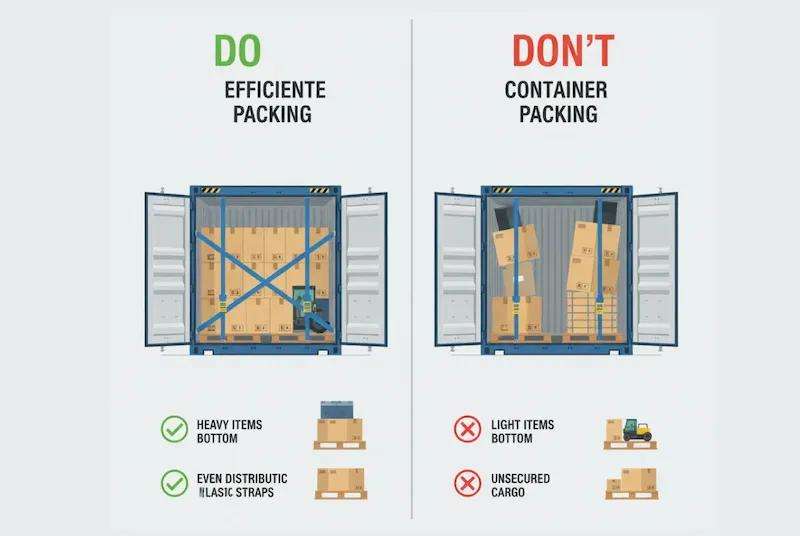
Best practices include:
- Heavy steel frames loaded first
- Lightweight decorative panels placed above heavier components
- Empty spaces secured with wooden blocking
- Ratchet straps used to prevent shifting
- Fragile items isolated from heavy structures
This organized loading process helps reduce vibration damage throughout international transportation.
Preventing Moisture Damage During Ocean Freight
Ocean shipping exposes cargo to changing temperatures and humidity levels. Condensation inside containers—sometimes called “container rain”—can damage decorative materials and electrical components.
To reduce moisture risks, manufacturers often use:
- Desiccant bags
- Moisture barrier films
- Waterproof wrapping
- Ventilated packaging where appropriate
These measures help preserve both appearance and electrical performance during long-distance shipping.
What Happens After the Shipment Arrives?
Well-organized packaging also makes installation more efficient.
Most professional lantern manufacturers provide:
- Numbered packing lists
- Assembly drawings
- Electrical wiring diagrams
- Component labels
- Installation guidance
Because every module is identified before shipping, installation teams can quickly match components and assemble the lantern display according to the project plan.
Can Damaged Lantern Parts Be Replaced?
Although careful packaging greatly reduces transportation risks, international projects should always include contingency planning.
Reliable manufacturers typically support customers by providing:
- Spare LED lighting components
- Replacement decorative materials
- Extra connectors and fasteners
- Technical installation support
- Replacement parts for accidental transportation damage
This ensures that minor issues can be resolved without delaying the festival opening.
Choosing an Experienced Lantern Shipping Partner
Successful overseas lantern projects depend on much more than attractive designs. Professional packaging, secure container loading, and organized installation planning all contribute to a smooth international delivery.
When evaluating a lantern manufacturer, consider whether they:
- Design lanterns for modular transportation
- Use customized protective packaging
- Have experience with international ocean freight
- Provide complete installation documentation
- Offer after-sales technical support and replacement parts
These capabilities help reduce shipping risks while ensuring the lantern display arrives ready for installation.
FAQ
Q1: Are giant festival lanterns shipped fully assembled?
Not really. Large lanterns are always produced in several modular parts in order to make shipping easier.
Q2: How are delicate decorative surfaces protected?
Manufacturers use bubble wrap, foam pads, pearl cotton, films, and special wooden boxes for safe transportation of the lanterns.
Q3: Could the LED lantern system get any damage while being transported across the ocean?
If the lantern is packed correctly using all waterproof material, sealed bags, and desiccants, LED components will remain intact.
Q4: How long does overseas shipping usually take?
It takes between 20 and 45 days. This number depends on the chosen shipping route and clearance time.
Q5: What documents are provided for installation?
Professional manufacturers always provide packing list, assembly scheme, wiring scheme, labels, and installation instruction.