
The Columbus Zoo Lantern Festival has come to occupy a very important position among nighttime immersive experiences in North America. From the industry point of view, it is not the visual effect that makes the Columbus Zoo Lantern Festival successful but rather the synergy between experience design, engineering and scalability.
In relation to zoo night-tourism and lantern production systems, the festival has evolved into a benchmark for organizing a modern lantern festival.
From Light Display to Narrative Spatial Experience
One of the most significant changes that the Columbus Zoo Lantern Festival has undergone is the change from being a purely decorative showcase to being an experience based on the story.
Rather than individual displays of lights, the festival is structured through a story, usually consisting of:
- Wildlife and ecological themes
- Mythical and fantasy-inspired creatures
- Seasonal and cultural festival symbols
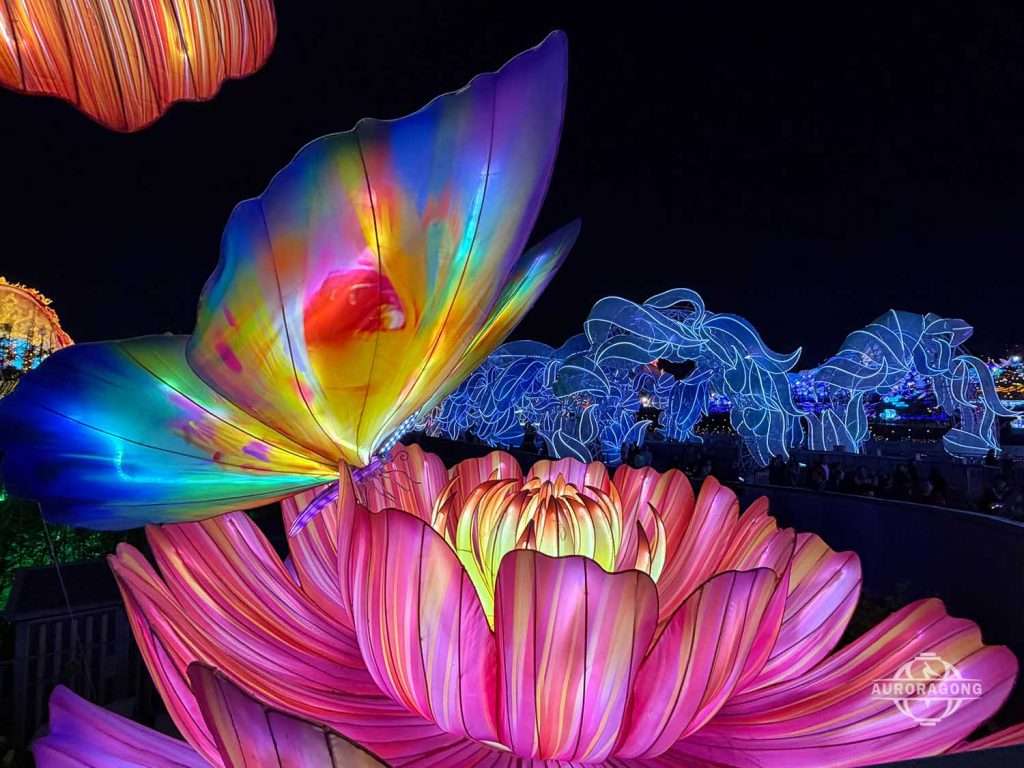
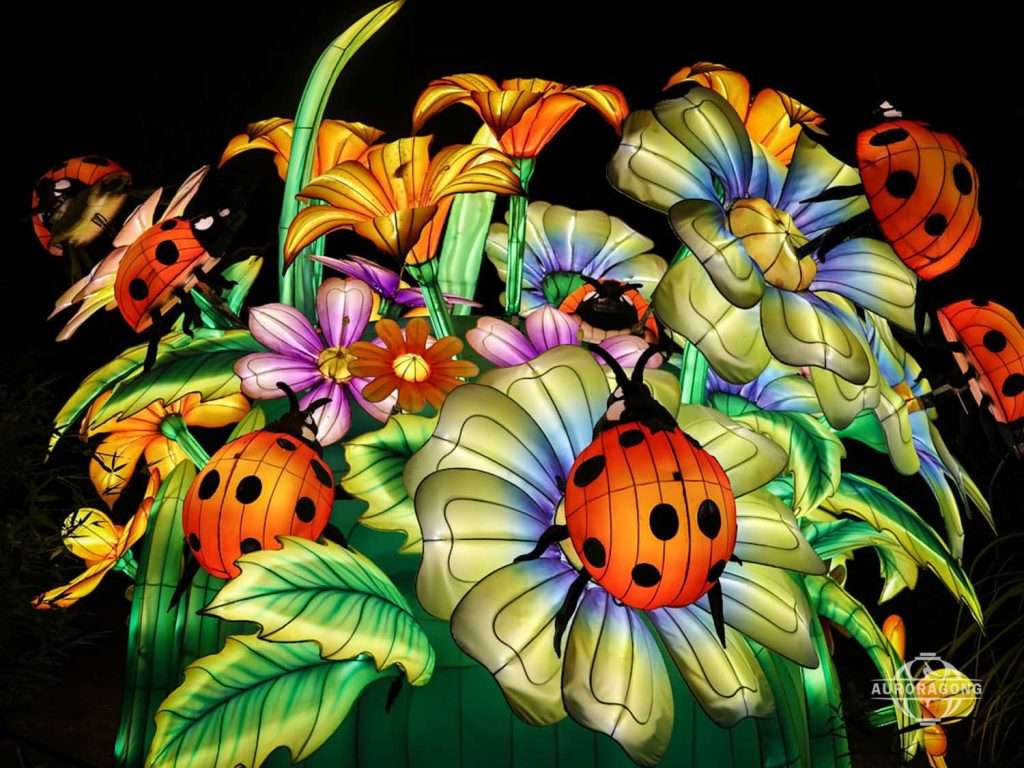
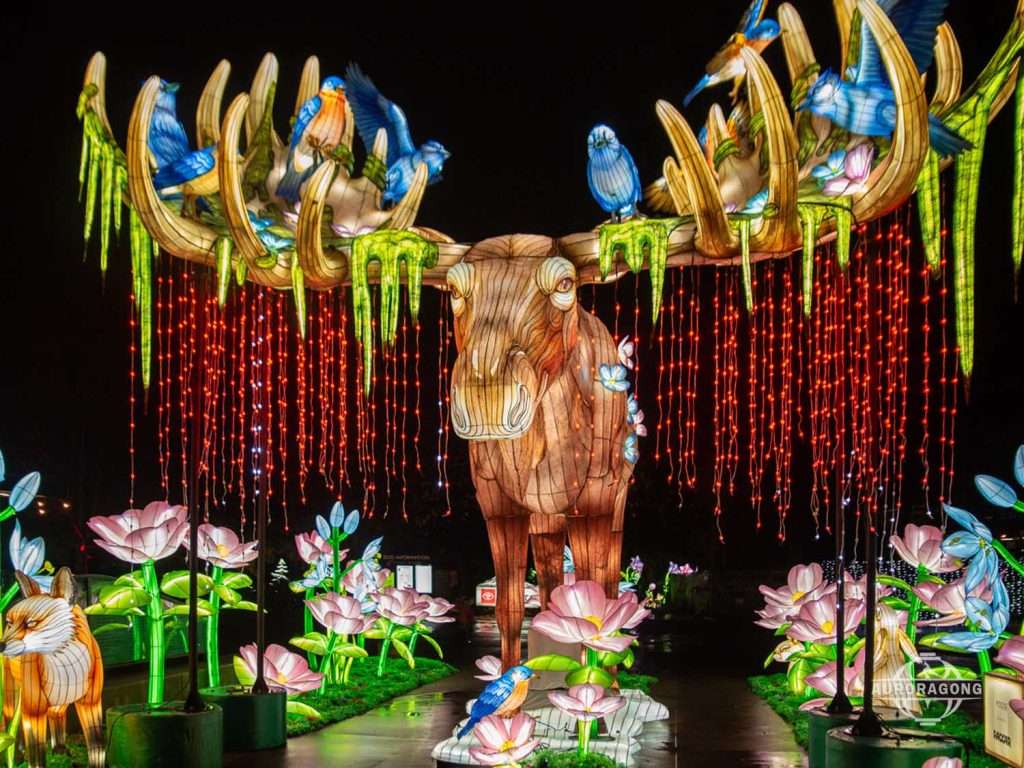
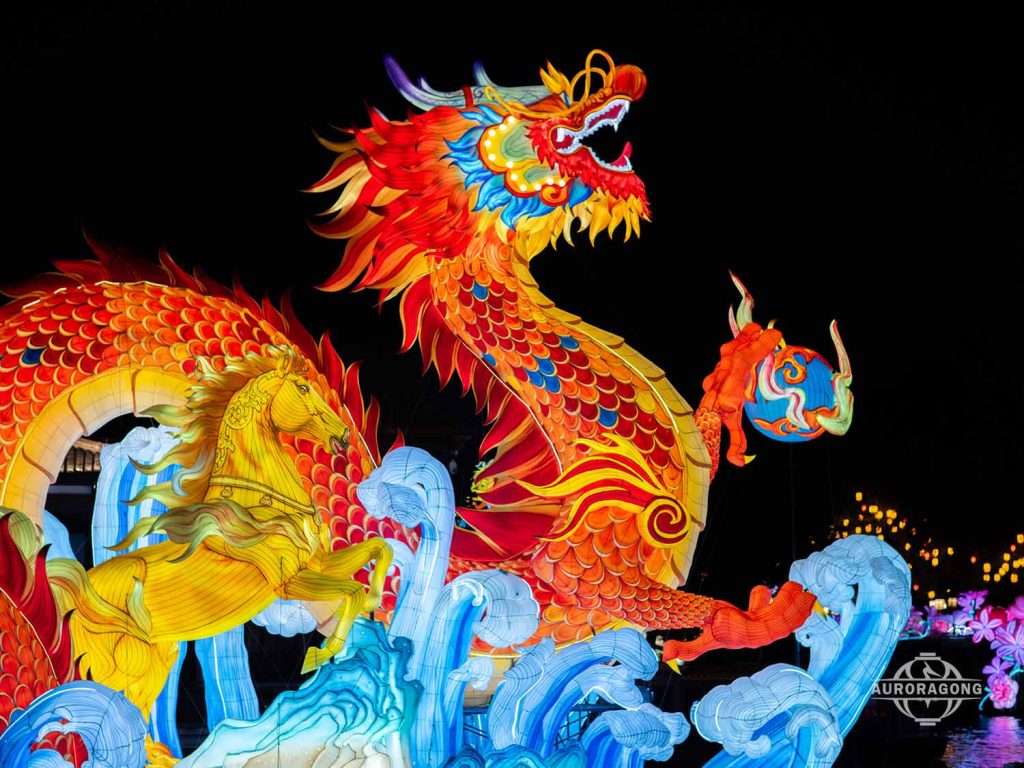
In industry practice, this type of narrative system often requires coordinated integration of multiple lantern categories, such as:
- Animal-themed lantern structures
- Botanical and natural environment installations
- Festival-themed composite lantern systems
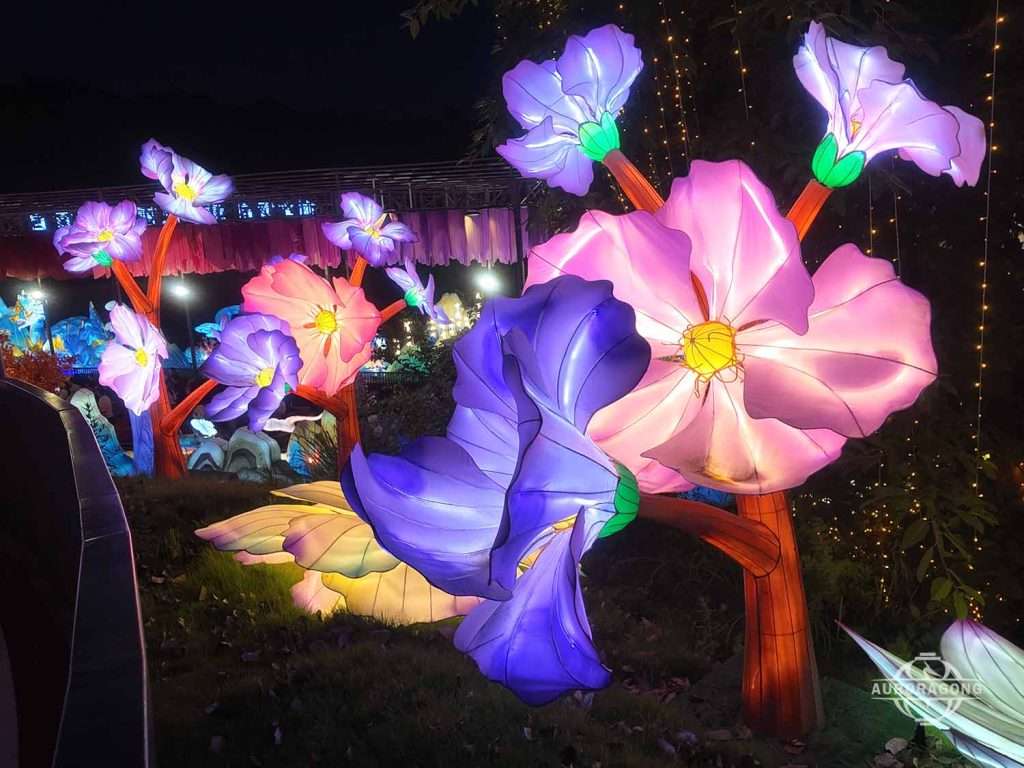
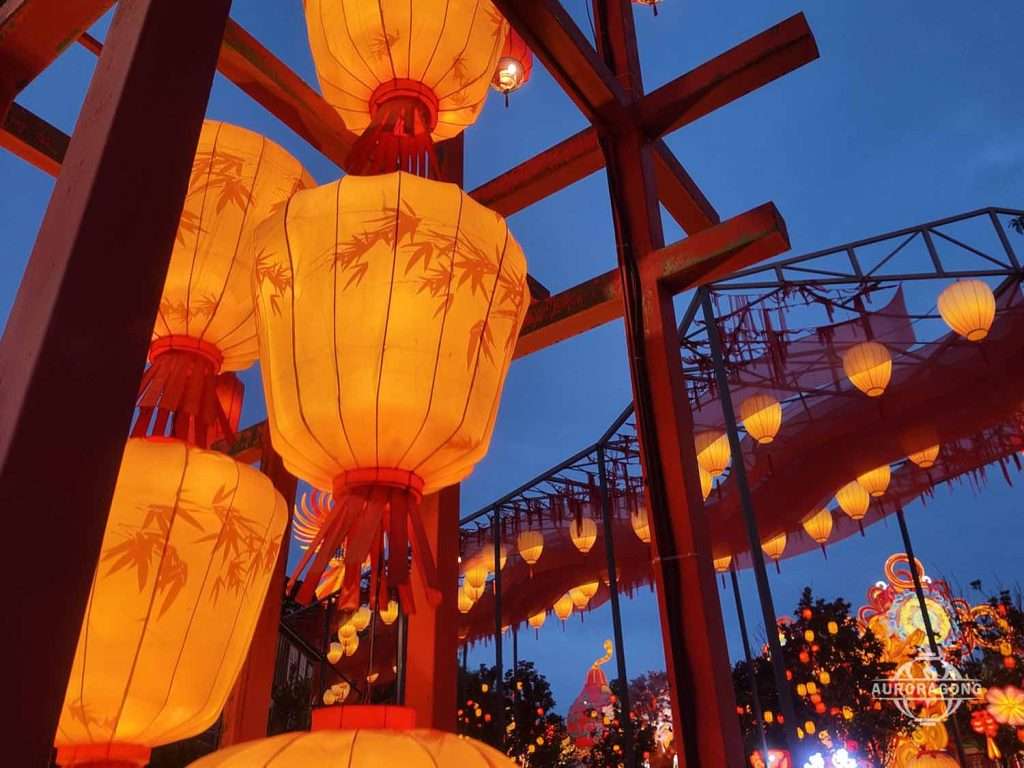
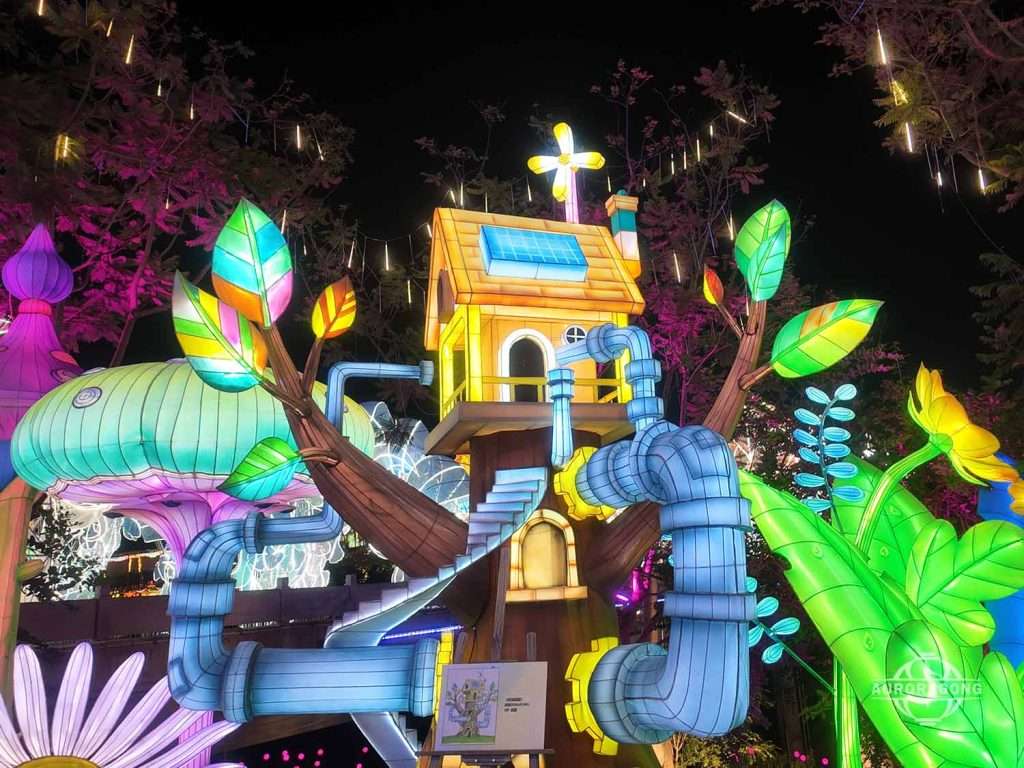
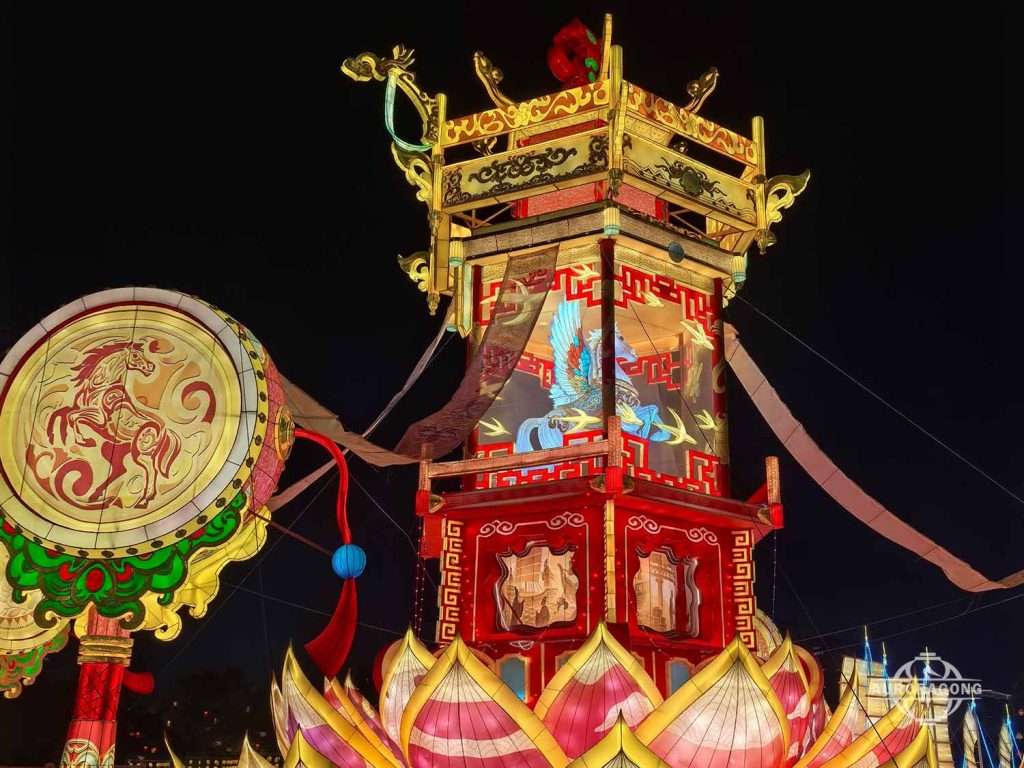
This combination enables a continuous spatial storyline rather than fragmented visual points.
Engineering Defines Scale
From a supply chain perspective, the key challenge in large-scale lantern festivals is not design, but industrial execution capability.
Installations at the Columbus Zoo Lantern Festival typically involve:
- Large-scale structural frameworks (several meters in height)
- Steel skeleton engineering systems
- Integrated LED lighting networks
- Long-duration outdoor operational stability

This requires a highly engineered production approach, including:
Structural Safety and Environmental Adaptation
Wind load, humidity, temperature fluctuation, and long-term fatigue resistance must all be considered.
Material System Optimization
Common combinations include steel frames, weather-resistant textiles, and energy-efficient LED modules.
Modular Production Logic
Most large lantern installations are divided into transportable units to improve logistics and on-site assembly efficiency.
In the industry, such systems rely heavily on standardized modular engineering rather than one-off handcrafted production.
Multi-Party Collaboration
The success of the Columbus Zoo Lantern Festival also depends on a well-structured collaboration ecosystem:
- The zoo provides venue infrastructure and audience base
- Cultural and creative teams define storytelling and thematic direction
- Manufacturing and execution teams deliver physical production and installation
This division of responsibilities ensures:
- Thematic consistency across the entire experience
- Stable engineering execution
- Repeatable annual event operations
From an industry standpoint, this has become a widely adopted model for international lantern festival development.
Immersive Experience Design
Modern lantern festivals are increasingly shifting from static viewing experiences to interactive environmental systems.
At the Columbus Zoo Lantern Festival, this is reflected through:
- Light-environment interaction systems
- Designed walking-route immersion pathways
- Interactive installations with responsive lighting effects
- Integration of performances within themed zones
This evolution marks a broader industry transition: lantern installations are no longer standalone objects, but components of a larger experiential environment.
High-Density Visual Logic
A defining feature of the Columbus Zoo Lantern Festival is its high-density spatial composition strategy.
The visitor pathway is typically structured with:
- Large-scale thematic lantern installations
- Medium-sized environmental scene elements
- Continuous lighting corridors and ambient systems
Together, they create a seamless visual flow with no “empty gaps” in the experience.
In industry terminology, this is often referred to as: Continuous Immersive Environment Design
The key principle is not individual complexity, but spatial rhythm and continuity control.
Cultural Hybrid Systems
From a supply chain perspective, lantern festivals represent a form of cross-cultural production system.
The Columbus Zoo Lantern Festival combines:
- Traditional East Asian lantern craftsmanship (steel framing, fabric shaping, LED integration)
- Western-style themed entertainment logic
- Global visual storytelling elements (animals, mythology, seasonal narratives)
This hybrid structure increases cultural adaptability and audience acceptance across different regions.
In practical industry applications, this often translates into multi-zone design systems such as:
- Wildlife-focused educational zones
- Ecological and botanical narrative areas
- Fantasy and festival-themed entertainment zones
Commercial Extension Model
From a business perspective, lantern festivals function as a key revenue extension mechanism for zoological parks.
The Columbus Zoo uses its lantern festival to:
- Extend visitor traffic into nighttime hours
- Increase off-season attendance
- Diversify ticket-based revenue streams
- Enhance membership value propositions
As a result, zoos are increasingly transitioning from daytime-only attractions to year-round experiential destinations.
This shift also reflects a broader trend in the industry: lantern festivals are becoming recurring operational assets rather than seasonal events.
The Shift Toward System-Based Lantern Projects
As far as supply chains and production are concerned, the Lantern Festival at the Columbus Zoo has become an indicator of the overall structural shift that takes place in the animal lantern market. It is no longer characterized by decorative items, but rather by systemic, scalable, and experience-driven spatial solutions.
1. From Units to Systems
In traditional animal lantern designs, emphasis was placed on the creation of individual lanterns, with each lantern treated as an individual object. In recent zoo festivals, however, design emphasis is now placed on the visitors’ overall experience instead of individual elements.
In terms of design, the connection between different thematic zones along the walkway becomes important. The animal and plant features, together with festival features, do not exist separately from one another; rather, they become part of a connected narrative space.
In terms of production, there is now increased need for coordination in terms of scale, lighting behavior, and themes. The animal lanterns themselves become part of a larger spatial structure.
2. From One-Time Builds to Reusable Assets
The use of lantern festivals is also becoming more inclined towards modular and reusable systems rather than single use systems. Past lantern festivals used to get rebuilt or demolished once the season was over; however, the approach has been changing and becoming unsustainable.
The current trend is based upon modularity of steel structures and lights along with changeable material for surfaces. This is helping to make durability and modularity very important.
3. From Visuals to Experience
The measure of success is no longer limited to visual effects like scale and brightness. Rather, it has become important to focus on how visitors experience the space and interact with it.
Important parameters in this regard include the visitor flow, dwell time, interaction, and social sharing.
This means that lighting design has taken up an instrumental function in directing flow and creating a rhythm of space. The animal lanterns have been designed to create pace in the space, complementing the high-impact spots with transitional spots.
4. From Local Craft to Global Systems
Lantern production is also evolving from regionally rooted craftsmanship to globally adaptable systems.
Instead of standardizing artistic style, the industry is standardizing structural and production logic. This allows animal lantern systems to be adapted across different cultural and geographic contexts.
A single framework can now support different applications such as zoo exhibits, botanical displays, or seasonal city events, depending on the narrative layer applied.
This shift enables animal lantern festivals to scale internationally while maintaining consistent engineering and operational performance.
Conclusion
The success of the Columbus Zoo Lantern Festival is not the result of a single factor, but rather a coordinated system involving:
- Narrative structure design
- Engineering-grade manufacturing capability
- Multi-party collaboration frameworks
- Immersive spatial experience design
- Sustainable operational models
From an industry perspective, it represents an increasingly mature global template for large-scale animal lantern festival development.
Rather than being a standalone case study, it functions as a continuously evolving benchmark for how immersive night tourism experiences are designed, produced, and operated worldwide.