
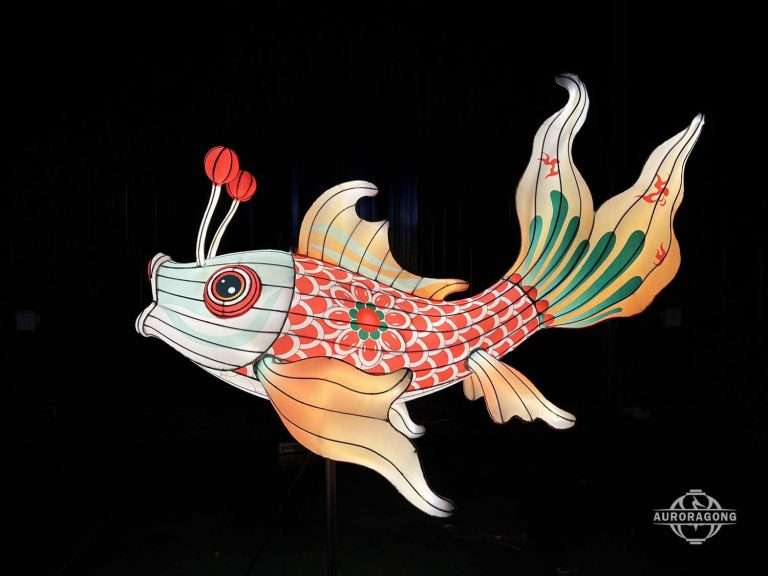
With the continued boom in the cultural tourism and nighttime economy, fish lanterns are becoming one of the most attractive thematic elements in lantern festival projects. Whether for marine culture displays, festival activities, or commercial attraction projects, large-scale fish lantern festivals possess strong visual impact and communicative value. However, for many businesses looking to attract tourists with large fish lanterns, the real challenge lies in: how to systematically plan a large-scale fish lantern festival project from scratch?
We will break down the entire process from strategic planning and design implementation to operational execution.
Step 1: Define Project Objectives
Before embarking on a fish lantern festival, it is important to first understand what the underlying goals of such an initiative are. This will either be to bring in tourists, create a cultural tourism brand, or make money from the activity. Depending on the goal, the theme, the size of the lanterns, and the operating model used will vary. Additionally, it is important to define the target market and timeframe for the project since family-oriented experiences will differ greatly from those of adrenaline-seeking younger individuals.
Step 2: Theme Planning
A successful lantern festival isn’t about the size of the lanterns, but about the quality of the story told. A complete narrative allows visitors to feel immersed and have a truly immersive experience.
1. Theme Selection
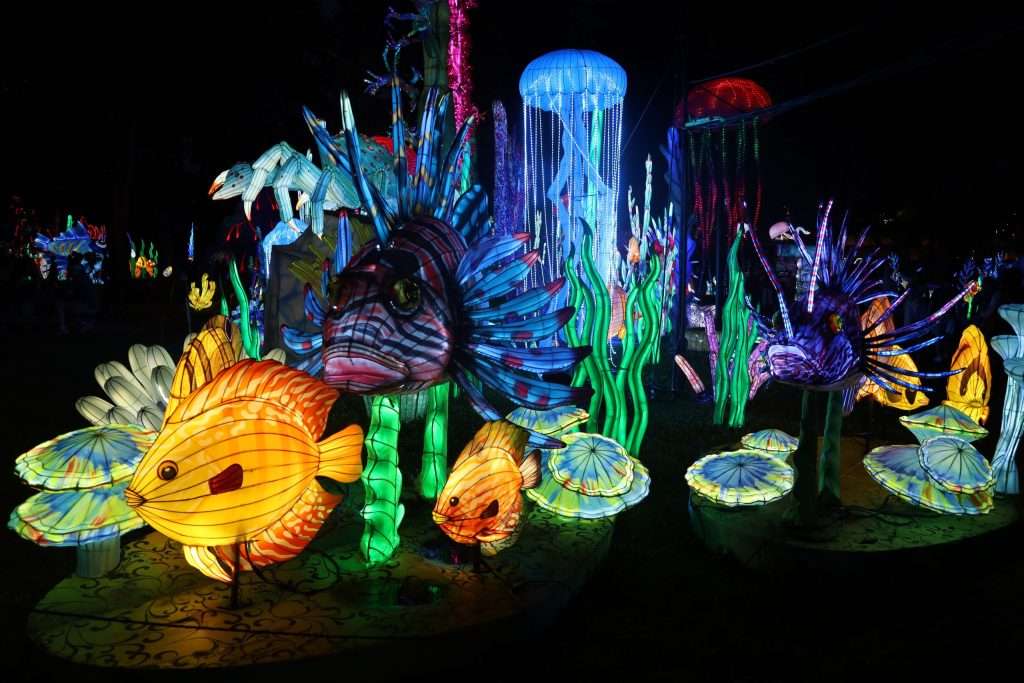
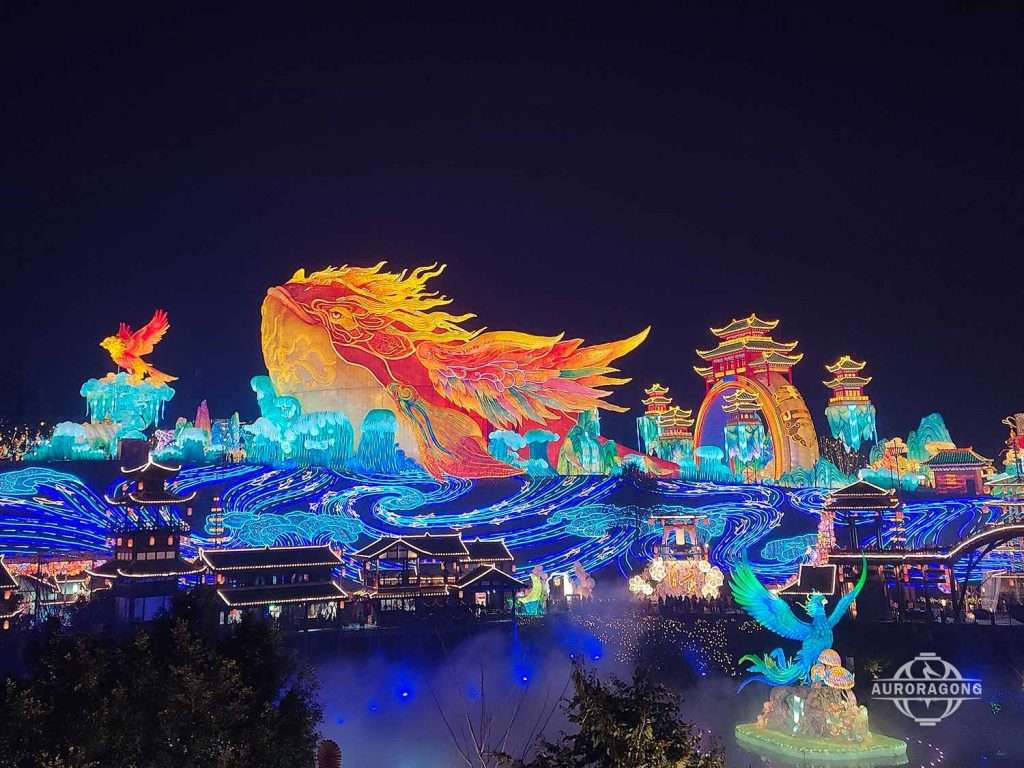
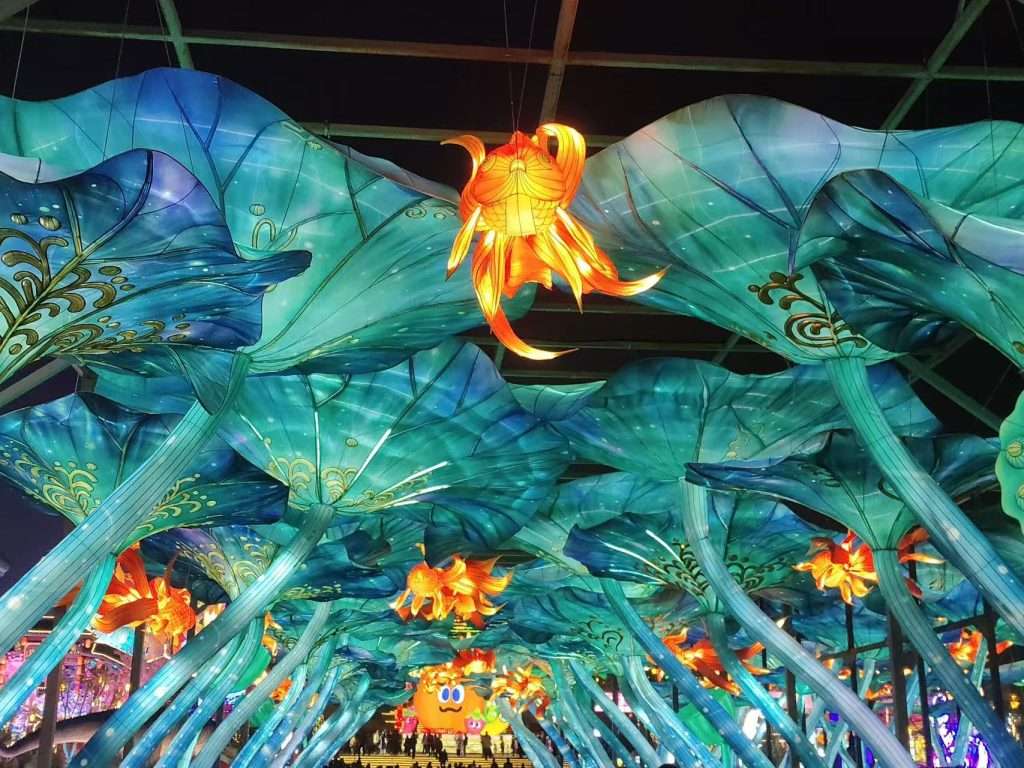
Fish lanterns can generate several different themes. When mixed with marine themes, they can create a fantasy oceanic world suitable for nighttime family activities; when combined with cultural elements, they can create an Oriental mythological world that is suitable for spreading the traditional culture of the Chinese nation; and when mixed with holidays, they can produce various holiday themes like the Spring Festival, Lantern Festival, Christmas, and more.
2. Scene Zoning Design
Besides a story, a logical flow and zoning design are needed to integrate it with the narrative, allowing visitors to experience a gradual progression. It’s recommended to design a signature fish lantern at the entrance to attract photos and social media promotion, increasing the event’s visibility. Large groups of fish lanterns should be centrally located in the core display area for a more visually impactful experience. Interactive areas can include illuminated swings, interactive fish lanterns, interactive projections, or small shops with games to attract vendors, creating a night market and enhancing the event’s atmosphere. Immersive experience zones can be created using floating fish lanterns and light tunnels. Finally, a commercial area should include dining and cultural/creative zones to boost the economy.
The entire lantern festival design must consider the visitor experience, going beyond simple viewing to encourage participation. This is what makes a truly attractive lantern festival, drawing in more people to experience it.
Step 3: Design and Engineering
Once the creative design is finalized, implementation begins. A key aspect is finding a reliable and trustworthy partner, such as AuroraGong. The complexity of fish lantern projects lies primarily in the implementation phase. A reliable fish lantern manufacturer can save you a lot of trouble after the project is completed.
1. Key Considerations for Lantern Design
In addition to replicating the creative aspect of the lantern, structural safety and feasibility also need to be taken into account when designing the lantern. For large-sized fish lanterns, the ability to withstand wind pressure, support structure, and stability during installation are critical aspects that need to be taken into account.
2. Material Selection
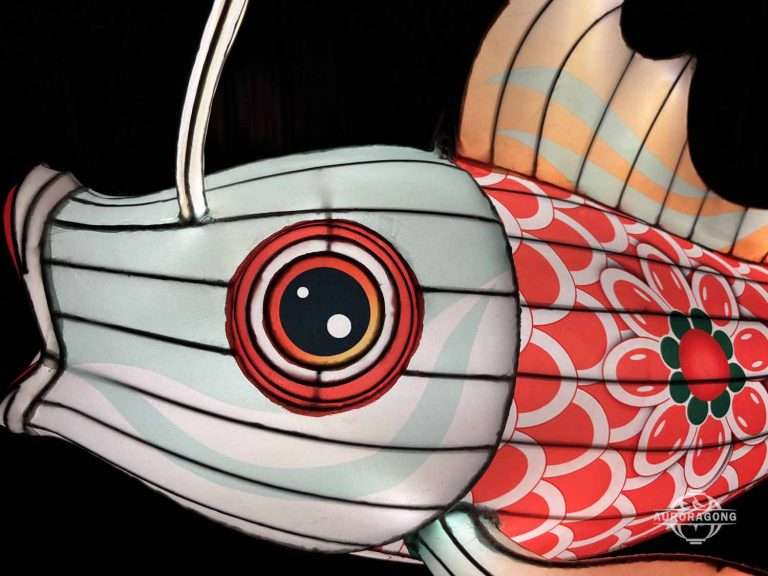
Materials directly determine the durability and final appearance of the lantern. Typically, a steel structure is used as the framework, paired with fabric or silk exterior finishes, combined with a high-quality LED light source system. This ensures visual refinement and adaptability to long-term outdoor use, reducing future maintenance costs.
3. Size and Proportion Control
Size planning plays an essential role in the creation of a visual system that can be considered cohesive. With differences made between major lights, mid-size cluster lights, and minor ambient lights, a unique space structure can be formed, unlike the boredom associated with the use of one big fish lantern only.
Step 4: Budget and Cost Structure
Before the entire project begins, a total budget needs to be determined to avoid work stoppages due to budget issues after commencement.
The budget for a large-scale lantern festival project typically includes the following:
- Design fees
- Lantern production fees
- Transportation and installation fees
- Site setup fees
- Electricity fees
- Maintenance fees
As a mature manufacturer that has served over 300 projects, we have some suggestions for cost control: Prioritize ensuring the visual effect of the core area, and use modular designs for secondary areas. Plan transportation dimensions to avoid exceeding costs later. Using a “visual focal point + atmosphere filling” approach, with high-cost installation throughout the entire area, can effectively save costs.
Step 5: Construction and Implementation
| Module | Item | Timeline / Description |
| Project Phases | Concept Design | 1–2 weeks |
| Detailed Design | 2–3 weeks | |
| Production | 4–8 weeks | |
| Installation & Testing | 1–2 weeks | |
| Key Controls | Multi-party Coordination | Efficient collaboration between design, production, and installation |
| Weather Contingency | Prepare for uncertainties in outdoor conditions | |
| Power & Safety Inspection | Ensure stable and compliant system operation | |
| Recommendation | Time Buffer | Reserve at least 15–20% extra time |
Step 6: Operation and Communication
The fish lantern festival is not a one-off event, but a long-term project. Its core value lies in generating revenue and influence through continuous activities and content.
1. Traffic Generation Strategy
For the success of the festival, traffic generation design must be considered carefully. For instance, attractive fishing lanterns can be taken as the focal point for visitors to take photos, and night lighting should be designed to make the event more attractive. The festival can be used in conjunction with other events like music and food festivals to provide several things for the guests to see and enjoy.
2. Revenue Model
The commercial value of the fish lantern project extends beyond ticket revenue. Additional revenue can be generated through commercial stall rentals and the development of IP-derived products, such as fish lantern merchandise, providing more monetization channels and diversifying operations.
3. Content Dissemination
Content dissemination is key to amplifying the festival’s influence. Showcasing the fish lantern’s strong visual impact through short videos, inviting KOLs to promote it, and encouraging user-generated content (UGC) for viral spread can create sustained buzz and social media sharing, turning the festival into a “content production machine” that continuously attracts new viewers and potential customers.
A successful fish lantern festival is essentially a comprehensive project integrating culture, design, engineering, and operation.
What truly differentiates a project isn’t the number of lanterns, but whether it creates an immersive experience that encourages people to linger, share, and spread the word.
If you’re planning a similar project, the next step can be further refinement: site selection analysis, circulation diagram design, or specific lantern arrangement plans. I can help you break down your plans to the execution level.