
The Chinese chandelier for a palace is more than just a traditional ornament in commercial projects. It is a part of the architectural design and influences the way visitors interact with an area, and frequently creates a memorable image. For shopping centers, hotels or museums, cultural destinations and theme-based destinations it isn’t only about selecting a gorgeous lantern, but rather designing one that fits in with the surroundings.
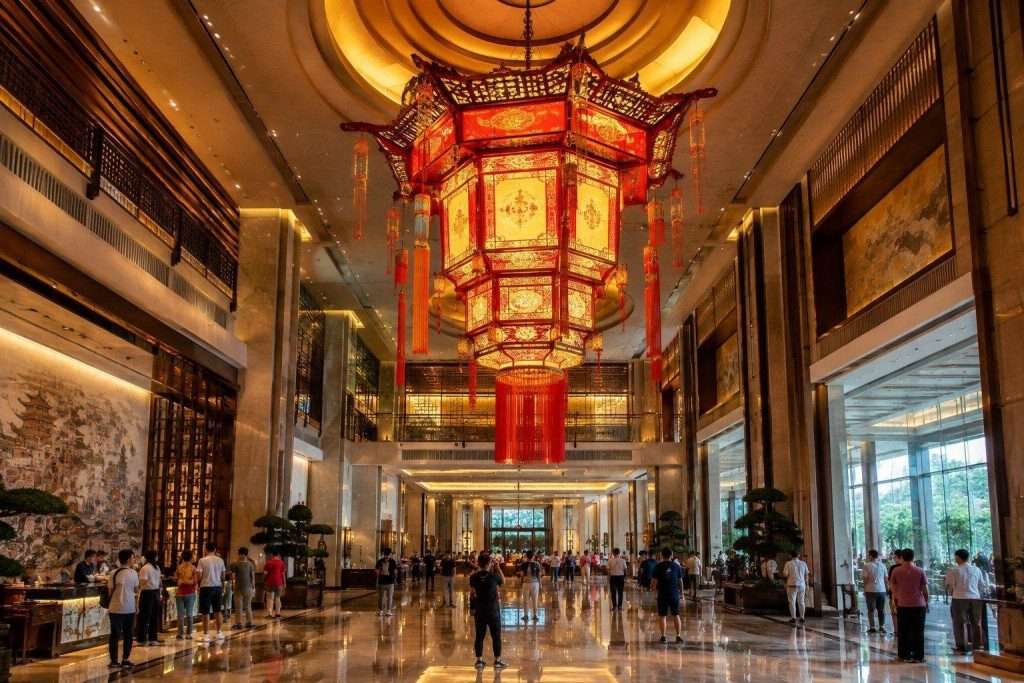
As a lantern maker, AuroraGong has participated in the creation and manufacture of custom lanterns for a variety of commercial areas. Although every project is different however, there is a common thread that the most effective results result from making the correct design choices in the right way.
Instead of starting with patterns or colors experts first look at the location, the people who will be visiting and the reason for the installation. The next seven steps are a reflection of the process of design commonly employed in commercial Chinese palace lanterns.
Step 1: Define How the Lantern Will Function in the Space
Every successful customization begins with understanding what the lantern is expected to do.
Design Around Purpose, Not Appearance
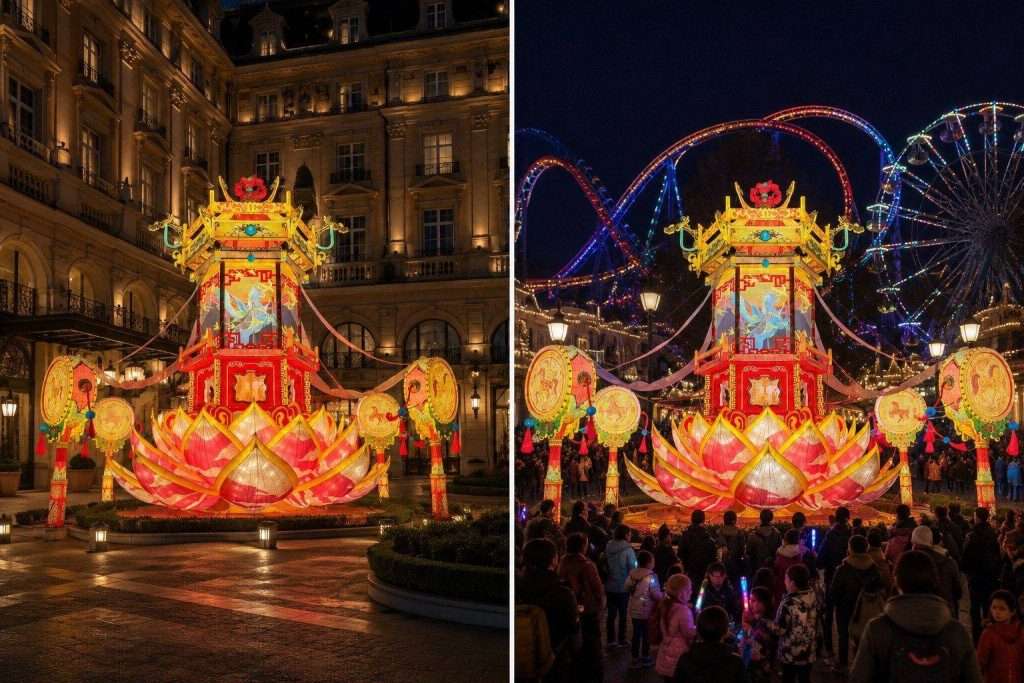
The Chinese Palace Lantern positioned above an entranceway creates an entirely different atmosphere than one hanging in an hotel lobby or hung on a walkway for cultural purposes. While the lantern’s design might have a similar design but its function within the room is completely different.
Certain lanterns are intended to be visual landmarks which draw people from afar and others are designed to be a part of the architecture but not become the main feature. The first step is to define the goal. This will provide the foundation for any design choice that is made.
Consider How Visitors Experience the Space
Designers also consider how visitors traverse the space. Which is the first point people see the lantern? What angle of view creates the greatest visual impact? Do visitors stop underneath it, stroll about it, or see it from different levels?
The answers to these questions help determine the right size of the lantern, its location, and overall layout, which will ensure that the light enhances the visitors experience rather than creating a space.
Step 2: Design the Lantern Around the Architecture
Once the lantern’s function has been established, the next priority is understanding its relationship with the surrounding building.
Proportion Matters More Than Size
A frequently asked concerns of project managers is “How large should the lantern be?” In the real world, designers seldom start with the dimensions. They begin by evaluating proportion.
The three-meter Chinese palace lantern may become the focal point in a hotel boutique however, it appears to be small in the fifteen-meter atrium of a shopping mall. The architectural design of the surrounding area, not the lantern itself–changes the way visitors feel about its size.
Evaluate the Space as a Whole
Instead of relying solely on the height of the ceiling designers usually consider:
- Viewing distance
- The visitor’s perspective
- Architectural symmetry
- Nearby features of decorative design
- Artificial and natural lighting
When these elements are viewed in conjunction, the lantern appears natural and integrated into the structure rather than being an isolated decorative element.
Step 3: Customize the Structure Before Choosing Decorative Details
Traditional patterns, tassels, and fabrics often receive the most attention during discussions, but they are not the first design priority.
A Strong Structure Supports Every Design Decision
The internal framework decides what it is that the Chinese palace lantern will be constructed, transported, placed and maintained. It also impacts security, stability, and longevity.
For instance hanging a lantern in an office lobby requires a structure with a low weight that reduces the load while ensuring an ideal balance. A outdoor installation however requires more structural strength to withstand winds and shifting weather conditions.
Plan for Installation from the Beginning
Designers also decide if the lantern will be used as a standalone centerpiece or the centerpiece of an overall display.
For commercial projects of a large size modular structures are typically preferable. Each section can be constructed in separate pieces, transported faster, and assemble at the site, with a seamless look. Making these considerations during the design stage helps prevent the need for unnecessary engineering changes later.
Step 4: Select Materials Based on the Project Environment
Material selection is not about choosing the most expensive option—it is about choosing the most appropriate one.
Different Spaces Require Different Materials
A Indoor Chinese palace lantern emphasizes refined designs and aesthetics while outdoor installations is required to withstand prolonged exposure to the sun, humidity and temperature variations.
This is why designers choose the structural materials as well as decorative fabrics and lighting elements based on the conditions of installation instead of following the same standard specifications for each project.
Balance Durability with Aesthetics
Commercial projects must strike an appropriate balance between appearance and performance over the long term.
Instead of deciding which material has the best appearance, skilled designers look at whether it can remain in good shape after many years of use. A lantern that retains its appearance and looks with little maintenance is often more durable than one chosen solely to impress the first time.
Step 5: Customize the Lighting to Match Visitor Experience
Lighting should never be treated as an accessory added after the lantern has been completed.
Design Lighting Around Visitor Behavior
Different commercial environments create different lighting requirements.
A luxurious hotel typically has a warm, constant lighting that provides a comfortable environment, whereas a cultural event or a seasonal attraction might require programmable lighting to produce dynamic visual effects that invite visitors to stop and take photos.
Instead of asking how bright the light is, designers should ask what visitors will be able to experience the installation.
Integrate Lighting into the Overall Design
The location and direction of light influence the way that decorative elements are perceived.
A balanced lighting system highlights the artistry without causing unnecessary shadows or reflections. By putting the lighting system in conjunction with the lantern’s design The final product will provide more visual depth in the day and the night.
Step 6: Balance Traditional Craftsmanship with Commercial Identity
Customization can enhance the look of a commercial venture without losing the underlying cultural significance of the traditional Chinese palace lantern.
Preserve Traditional Design Principles
Traditional proportions and symmetry, design with hand-crafted details and traditional ornamental elements are what differentiate the Chinese palace lantern from modern lighting fixtures for decorative purposes.
These qualities should be apparent even if the lamp is used in modern commercial areas.
Reflect the Character of the Project
Instead of simply incorporating corporate logos, or changing colors Designers often incorporate the architectural style, local culture or themes from the past into the overall style.
This technique creates a unique lantern that is unique to the location while maintaining the beauty and authenticity people would expect from traditional Chinese craftmanship.
Step 7: Consider Installation During the Design Phase
Installation is most successful when it is considered before manufacturing begins.

Design for Efficient Assembly
Commercial projects typically involve huge lanterns that need to be transported for large distances prior to arriving at the site.
By designing lift points, connection structures and assembly techniques at the time of design installation is faster and safer. It also makes installation more efficient.
Make Future Maintenance Easier
Professional designers also think beyond the opening day.
Lighting components, structural connections, and decorative surfaces should remain accessible for routine inspection and maintenance. Considering these details early helps reduce operational costs while extending the service life of the installation.
Conclusion
A well-designed Chinese palace lantern isn’t made by deciding on decorative elements first. It’s the result an carefully designed procedure where every decision is in support of the following: from setting the goal of the lantern, and then integrating it with the architectural plan to selecting appropriate materials, determining the lighting and preparing the installation.
Based on our experience in making customized palace lanterns, the top commercial ventures have one feature Every design choice starts with the space. When the elements of architecture, experience for visitors design, engineering, and craftsmanship are viewed together the Chinese palace lantern becomes more than just a decoration. It is a permanent element of the place and an experience that guests will remember for a long time after leaving.