
Installation of commercial lanterns has become an iconic hallmark of shopping centers, amusement parks, cultural fairs, resorts, hotels, and public plazas. Even though the decoration makes a striking visual impact, fire safety becomes one of the key factors during design, production, installation, and operation.
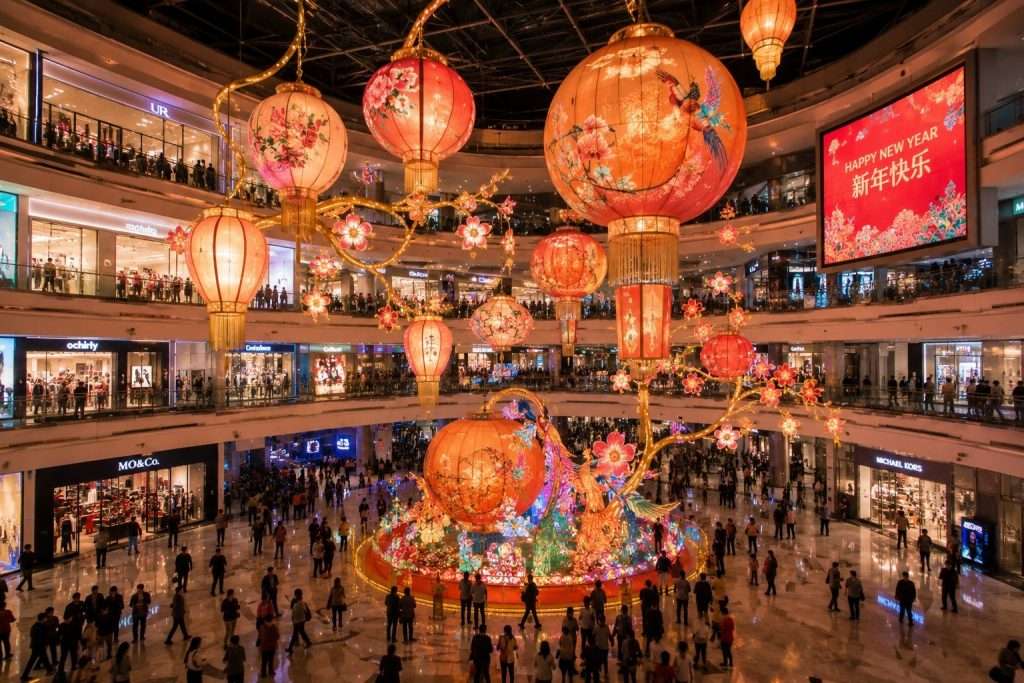
It is important for project managers and contractors not only to meet fire safety regulations for protection of people and properties but also to comply with building codes and insurance policies. This article will provide information about basic fire safety requirements for commercial lantern installations.
Why Fire Safety Matters for Commercial Lantern Projects
Unlike decorative lighting, which may be short-term in nature, commercial lanterns tend to light up vast spaces and have intricate electrical systems that stay functional for weeks or even months at a time. Suspended lanterns, sculptures, and other decorations pose further hazards when fire safety is neglected.
Common fire hazards include:
- Electrical short circuits
- Overloaded power supplies
- Poor cable management
- Combustible decorative materials
- High visitor density around displays
- Exposure to rain, wind, or extreme temperatures
Such a fire protection plan not only eliminates the mentioned dangers but also increases the reliability of the system.
Use Flame-Retardant Materials
The first step that needs to be undertaken before beginning a Commercial Lantern project is to choose proper flame-retardant materials.
Modern commercial lanterns commonly use:
- Flame-retardant fabric
- Fire-resistant PVC
- FR-treated silk
- Aluminum alloy frames
- Galvanized steel structures
- Non-combustible composite panels

Natural textiles or untreated paper must usually not be used in large-scale public installations unless these materials have been treated with certified flame retardants.
The suppliers of these materials must provide proof that their materials meet the relevant fire resistance standards.
Key Considerations
- Low flame spread
- Self-extinguishing performance
- Reduced smoke generation
- Weather resistance after fire-retardant treatment
Follow Safe Electrical Design Practices
Most fire incidents associated with decorative lighting originate from electrical failures rather than the lantern structures themselves.
A professionally designed commercial lantern electrical system should include:
Proper Cable Selection
Outdoor-rated cables with appropriate insulation should be selected according to environmental conditions and expected electrical load.
Waterproof Connections
Power connectors should be protected using waterproof junction boxes or weather-resistant connectors to prevent moisture intrusion.
Load Distribution
Avoid connecting excessive lanterns to a single circuit.
Balanced electrical loads reduce overheating and improve system stability.
Ground Fault Protection
Residual Current Devices (RCDs) or Ground Fault Circuit Interrupters (GFCIs) should be installed where required to protect visitors and maintenance personnel.
Choose Low-Heat LED Lighting
Traditional incandescent bulbs generate considerable heat, increasing fire risks inside enclosed lantern structures.
Today’s commercial lantern manufacturers almost exclusively use LED lighting because it offers several safety advantages:
| Traditional Lighting | LED Lighting |
| High operating temperature | Low heat generation |
| Higher energy consumption | Energy efficient |
| Shorter lifespan | Long service life |
| Greater fire risk | Lower fire risk |
| Frequent maintenance | Reduced maintenance |
LED systems also reduce operating costs while improving illumination consistency across large installations.
Maintain Safe Separation Distances
Proper spacing is another essential aspect of fire prevention.
Commercial lanterns should maintain adequate clearance from:
- Buildings
- Emergency exits
- Electrical equipment
- Generators
- Trees and vegetation
- Heating equipment
- Temporary cooking areas
Large suspended lantern displays should also maintain sufficient vertical clearance from visitors and emergency vehicle access routes.
Crowded layouts may create evacuation obstacles during emergencies.
Meet Local Fire and Building Regulations
Fire safety regulations vary between countries, states, and municipalities.
Before installation, project managers should verify compliance with local authorities regarding:
- Temporary structure permits
- Fire department approvals
- Electrical inspections
- Public assembly regulations
- Emergency access requirements
- Structural engineering certifications
Large commercial projects often require inspections before opening to the public.
Working with experienced commercial lantern manufacturers familiar with international projects helps streamline the approval process.
Design for Emergency Access
Even beautifully designed lantern displays should never interfere with emergency response.
Installation plans should ensure:
- Emergency exits remain visible
- Fire hydrants remain accessible
- Fire extinguishers are unobstructed
- Emergency vehicles have sufficient access
- Visitor evacuation routes remain clear

Wide pedestrian corridors improve both visitor experience and emergency evacuation efficiency.
Inspect Electrical Systems Regularly
Fire safety continues after installation.
Routine inspections help identify problems before they become serious hazards.
A typical maintenance checklist includes:
- Loose electrical connections
- Damaged insulation
- Water ingress
- Corroded connectors
- Overheated power supplies
- Broken LED modules
- Structural movement caused by wind
Daily visual inspections are recommended for high-traffic commercial installations, particularly during festivals or extended operating periods.
Consider Outdoor Environmental Factors
Many commercial lantern projects are installed outdoors where weather conditions directly affect safety.
Key environmental considerations include:
Rain
Waterproof electrical components should meet appropriate IP ratings for outdoor operation.
Wind
Large lantern structures should be engineered to withstand local wind loads and securely anchored to prevent movement.
Temperature
Electrical equipment should operate within the manufacturer’s specified temperature range to avoid overheating or premature failure.
UV Exposure
Materials should resist long-term ultraviolet degradation, which can weaken fabrics and insulation over time.
Develop a Fire Emergency Response Plan
Every commercial lantern event should establish emergency procedures before opening.
The emergency plan should include:
- Fire detection procedures
- Emergency shutdown of electrical systems
- Staff evacuation responsibilities
- Public announcement procedures
- Fire extinguisher locations
- Contact information for local emergency services
Installation personnel should receive basic fire safety training before the event begins.
Prepared teams can respond much faster during unexpected incidents.
Work with Experienced Commercial Lantern Manufacturers
Fire safety begins long before installation.
An experienced commercial lantern manufacturer considers fire prevention during product design, material selection, electrical engineering, and structural fabrication.
Professional manufacturers typically provide:
- Flame-retardant material options
- Waterproof LED lighting systems
- Certified electrical components
- Structural engineering support
- Installation guidance
- Maintenance recommendations
- Documentation for project approvals
This integrated approach significantly reduces safety risks throughout the entire project lifecycle.
Conclusion
The most effective commercial lantern setups integrate artistry with sound engineering and fire safety planning. The use of flame-resistant materials, energy-efficient LED lights, and correctly installed electrical wiring minimizes fire hazards while guaranteeing visitors’ safety.
In any location whether it be in a shopping complex, cultural park, tourist destination, or a public fair, fire safety must always be a key consideration from the very beginning to its completion. The selection of a qualified commercial lantern supplier with the knowledge of international fire safety standards ensures great looking, reliable installations ready for public use.