However, in large-scale lantern displays, problems such as design discrepancies, faulty lights, absence of parts, and shipping damages may cause installation delays as well as increase the cost of the project. A reliable provider of custom lantern display services needs to make sure that he has set up processes for the prototype approval, manufacturing process control, and pre-shipment inspection before shipping the product.
Prototype Approval: Confirm Specifications Before Production
The prototype approval will set the benchmark for mass production. A rendering can never check the material, the light distribution, the assembling process, or even the scale of a big installation.
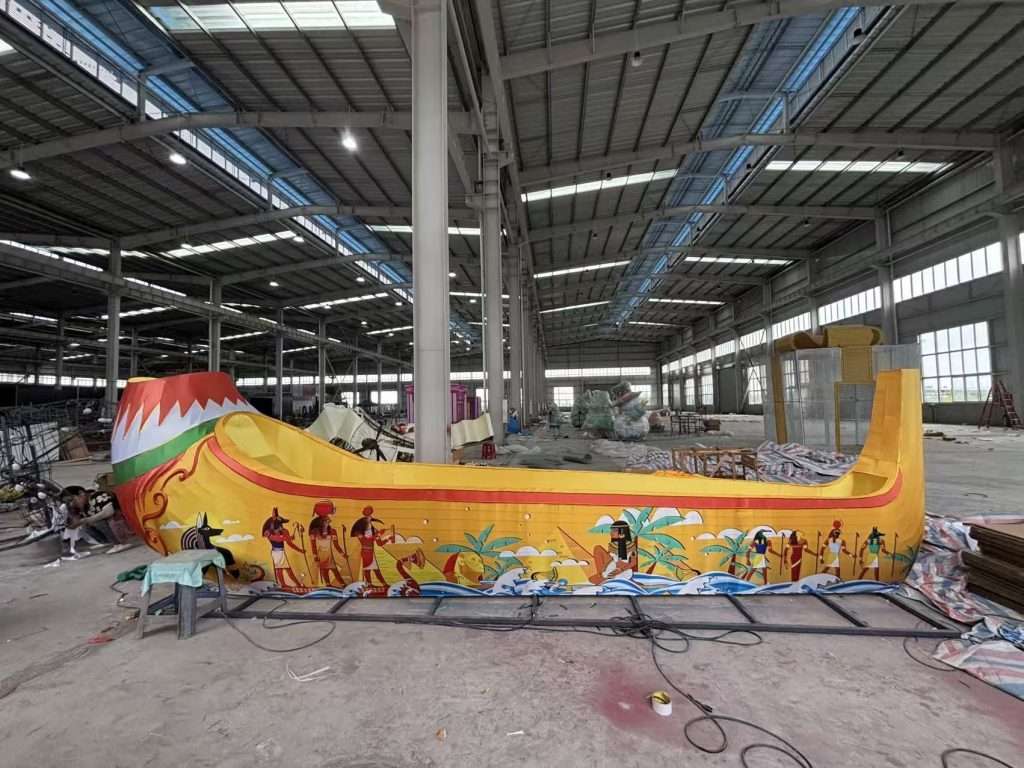
Before approving a sample, buyers should check:
- Structural aspects: Shape, dimensions, points of attachment, and assembling in modules.
- Materials and finishes: Fabric type, tensile strength, stitching method, colors, and finish quality.
- Lighting functionality: Color, luminosity, distribution, programmed lights, and cabling.
- Outdoors use: Necessary protection against moisture, performance of materials, and electrical components.
- Installation aspects: Dimension of sections, attachment mechanism, maintenance, and space required.
The following five stages form a workable approval procedure: 3D renders and drawings review, creation of a sample or mock-up, collection of comments from buyers, revisions, and written approval.
Buyers need to offer reference photos, pictures of the place of installation, floor plan, desired dimensions, lighting, and time of installation. In case of oversized installations, structural attachment or lighting module will be enough for verification of important features prior to manufacturing.
Problems that may be experienced include the mismatch of colors, un-even illumination, difficult assembly, and too large packing boxes. The solution to the above problems lies in revising and having drawings done. The approval document should indicate the sample tested, materials used, and drawings done.
Quality Control During Production
The approved prototype represents the benchmark, but production tests decide whether the final units are able to match up to it or not.
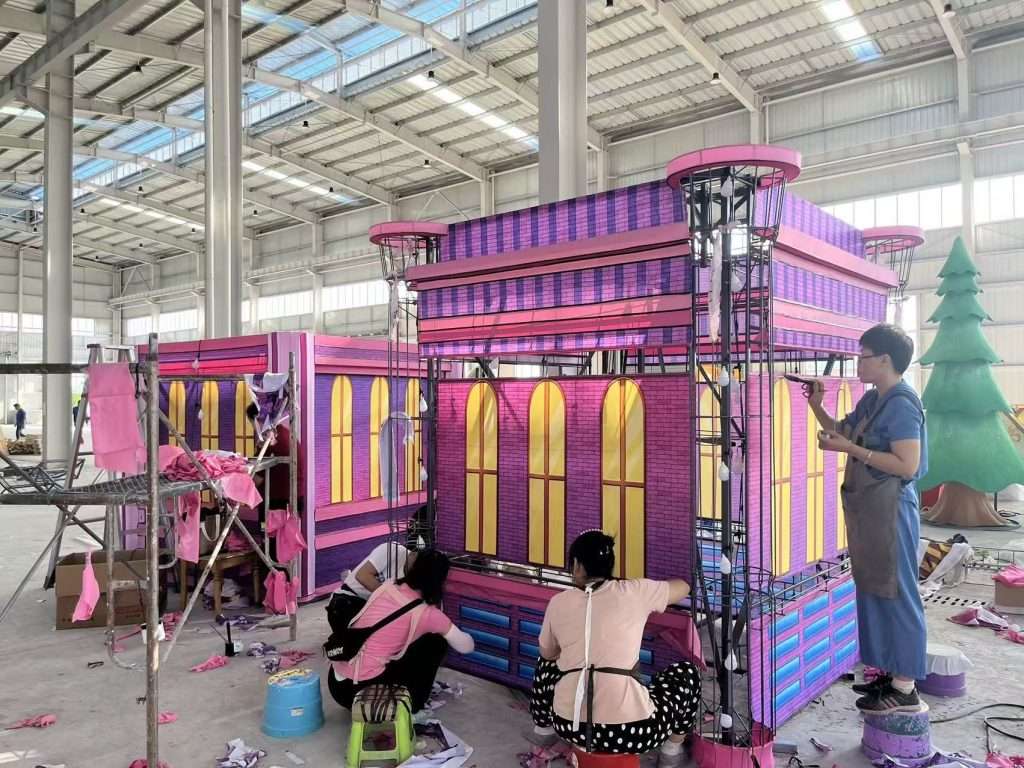
A reliable quality control process should cover the following checkpoints:
- Material: Verify material based on its specification, dimension, quantity, and any visible flaws.
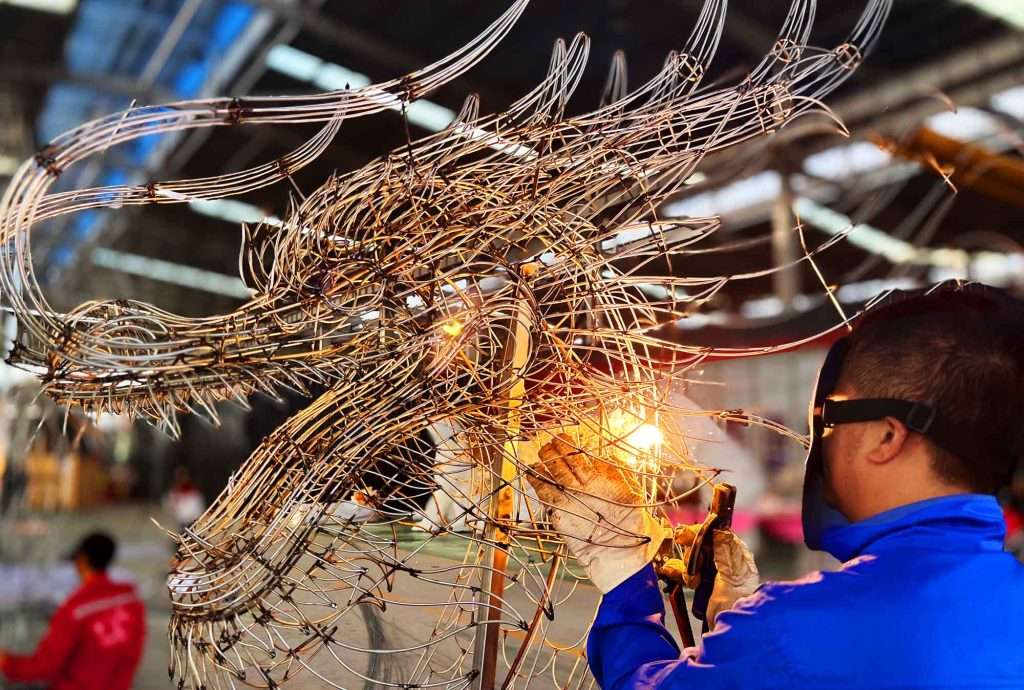
- Frame fabrication: Verify welding, frame dimension, joints, and sharp edges.
- Finishing: Verify stitching, surface tension, joints, and color uniformity.
- Electric work: Verify wiring, connector, source of electricity, lighting performance, and connections.
- Weather proofing: Verify seals, entry point for cables, enclosures, and protective gear where necessary.
- Finished Products: Verify sample products against approved sample and blueprint.
The testing process should mirror the project needs. Lighting continuity tests can reveal intermittent failures and over-heating issues. Color tests are needed to ensure consistent colors in the same series of lanterns. Calculations and loading tests may be required in case of big and high structures or those in windy environments.
In outdoor projects, state any ingress-protection standards for electrical enclosures/components. IP65 and IP67 ratings are different. The former one relates to dust protection and water jets, and the latter one is concerned with dust protection and temporary immersion under specific conditions. None of the ratings guarantees a complete lantern display by itself.
Similarly, flame-retardancy, electrical safety, and resistance to wind should also be confirmed according to requirements as well as test documentation instead of relying on supplier claims regarding them.
In case there is any defect, the manufacturer should identify the nonconformity, isolate components, if needed, repair them, and then inspect the repaired parts. Buyers must ask for inspection reports and test reports of the relevant component parts.
Pre-Shipment Inspection for International Orders
Pre-Shipment Inspection (PSI) checks whether the product is consistent with the specifications prior to shipping. In relation to customization of lanterns, the PSI should go beyond appearance.
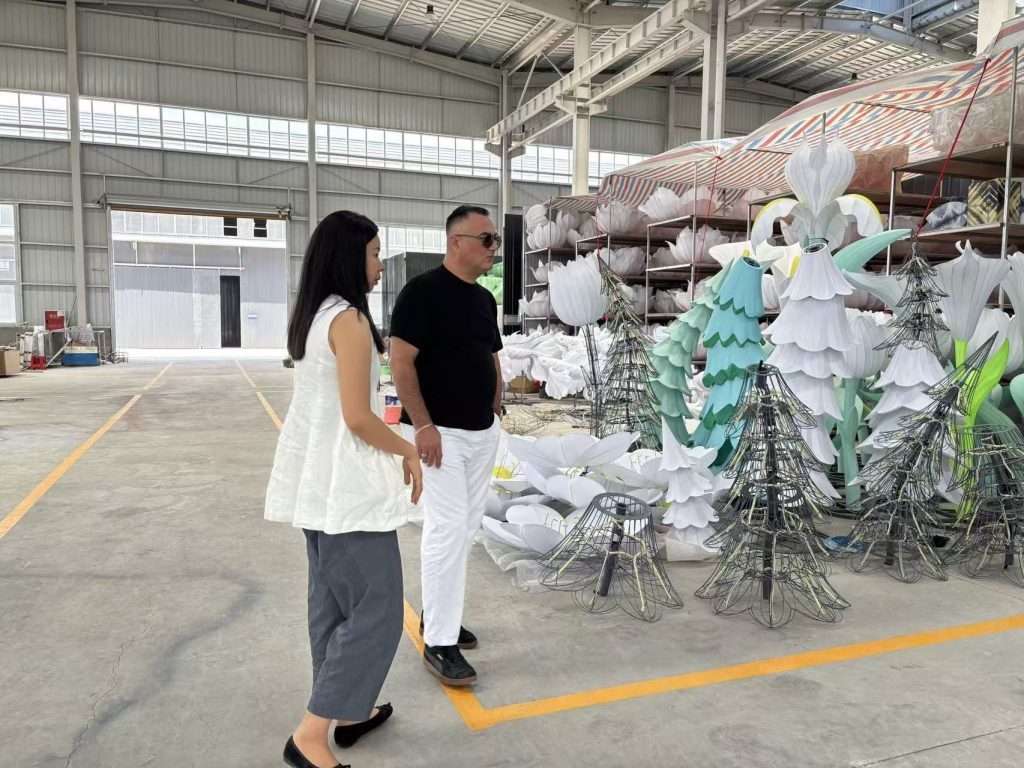
The inspection checklist should include:
- Amount and dimension: Double-check finished products, modules, crates, and important dimensions according to the order.
- Appearance: Inspect color, surface, frame, and finishing.
- Functionality: Make sure that light modes, electric connections, and control functions work.
- Accessories: Check fasteners, brackets, connectors, replacement parts, and installation accessories.
- Packaging: Check cushioning, protective packaging, water-proofness, crates, and shipping marks.
- Documents: Make sure there is an appropriate packing list, installation manual, inspection document, or certificates/origin documents.
This type of inspection process must be determined prior to production. AQL inspection could be suitable in situations where repetition occurs and the process of sampling would help in classifying the defects and their acceptance criteria. For expensive projects, the client may require 100% inspections for important tasks or critical components.
Buyers can arrange factory inspections, video inspections, and third party inspections. Important defects should be rectified before the delivery of the product.
Packaging and Shipping Risk Control
The large lanterns may have included metal frames, fabric materials, and electrical parts that required protection against movement, handling, deformation, and moisture when transporting.
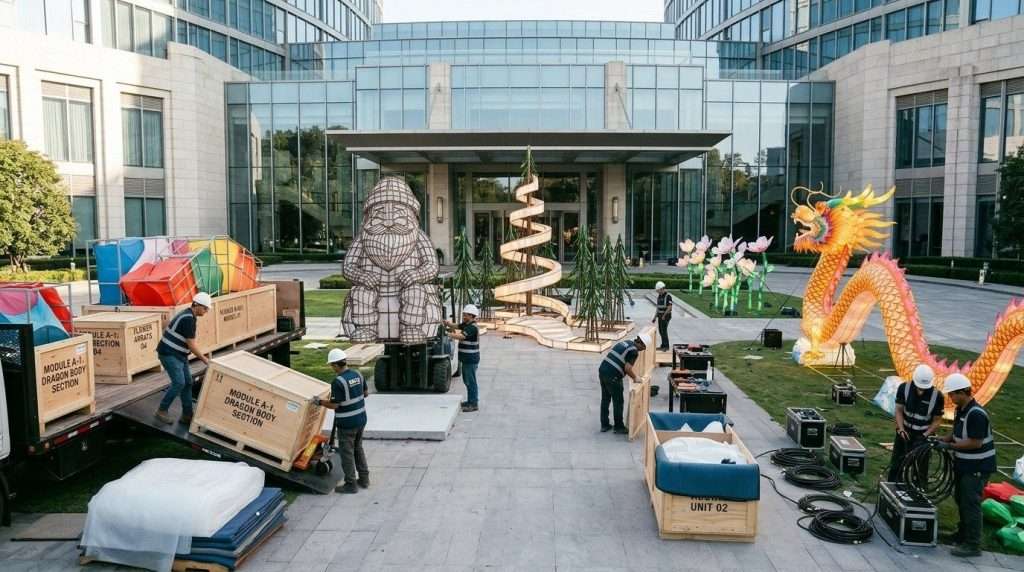
Provision of proper packaging is necessary for the protection of the parts during transportation by sea freight. Proper packaging will involve wrapping and cushioning of the parts, bracing inside the box, labeling of the box, and loading the cargo according to the dimensions and weights of each part.
PSI is able to identify if there were missing parts, damage, and poor packaging, but not able to provide protection against all transport dangers.
How to Evaluate a Zigong Lantern Manufacturer
There is no doubt that Zigong stands out due to its skills in crafting lanterns. However, potential clients should consider evaluating each supplier according to its ability to produce, past projects, quality control, and exportation experience.
Before placing an order, ask:
- Does the vendor have technical drawings and a documentation of the approved prototype procedure?
- Are material specifications and lighting criteria mentioned in the quotation?
- What are the production and testing procedures?
- Can any test reports or independent inspections be organized?
- Are packaging specifications, installation instructions, and replacement parts available?
- Who offers technical assistance during installation?
Guard against any false promises of waterproofing, imprecise specifications of materials used, insufficient documentation of inspections, and shipping in advance before correcting any flaws.
Production schedules will depend upon the complexity of the design, number of orders placed, revisions made, and seasonal demands. Allow enough time for all these processes.
Practical Example: Preventing Installation Delays
Imagine a theme park ordering an illuminated animal sculpture. In the testing of prototypes, the purchaser notices the poor illumination and connectivity which may pose challenges in assembling the piece at the site.
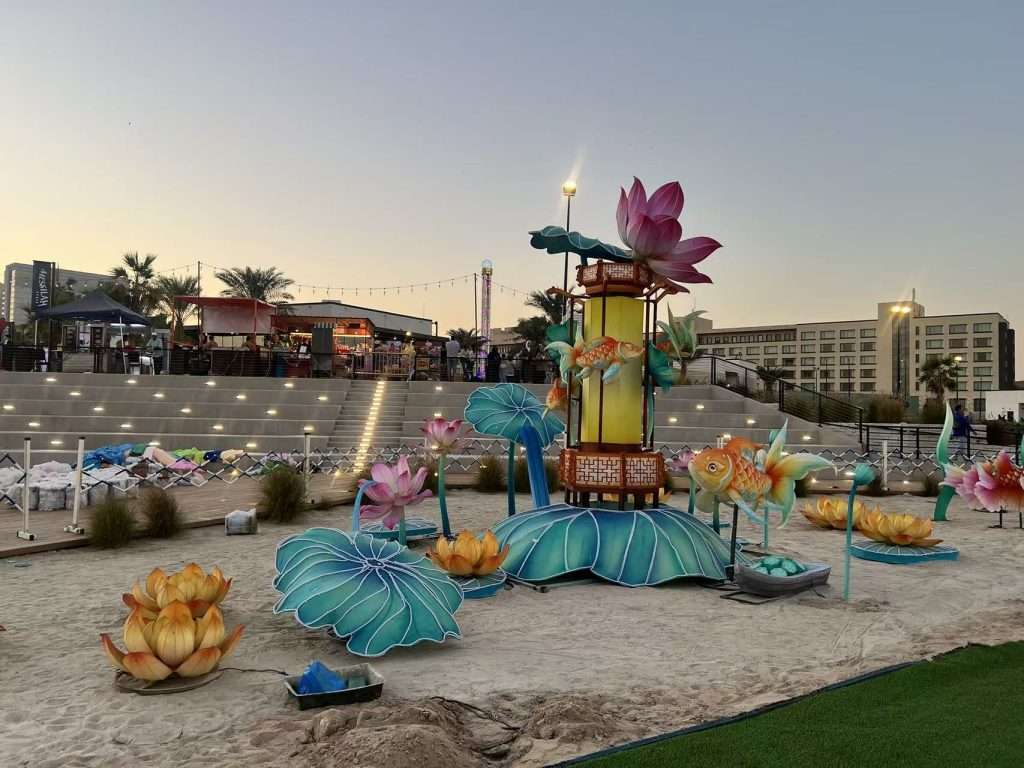
Modifications to the lighting design and connections are made and approval put into writing prior to manufacturing. Inspection is done when making the repeated connections of the frame, decoration, and electrical parts. Prior to shipping, the process involves counting of pieces, labeling for assembly, accessories, and packing.
These are examples of how things are done. Actual projects should be supported with documentation from inspections and customer testimonials.
FAQ
How long will it take to approve the prototype?
It normally takes about one to three weeks for a prototype, while complicated setups could require additional modification. Plan accordingly based on how complex the design is and the samples that need to be made.
Can the buyers carry out their pre-shipment inspection?
Yes, it is indeed possible to engage an independent inspection agency, provided there is access to the factory and other aspects such as terms of inspection, acceptance standards, and cost issues.
What is the way the lantern display models are packaged for export by sea transport?
The package will be made up of wrapping, padding, braces, moisture-proof packaging if required, and correctly numbered boxes.
What is the difference between prototype approval and quality control?
The prototype approval guarantees the reference design before manufacturing, and the quality control assures that the material and finished products comply with the approved design.
Plan Your Custom Lantern Display Project
The process of prototype approval, production quality control, and pre-shipping inspection all help to mitigate discrepancies during the manufacturing, shipping, and installation process.
We at AuroraGong assist in customizing our lantern exhibition displays for commercial establishments, festivals, and themed attraction sites. Feel free to send us any design references, photos of your site, desired dimensions, and project timeline to discuss the design feasibility.