
The feeding chameleon lantern captures an incredible moment: a large-scale chameleon opens its mouth wide and aims to catch a flying insect with its elongated tongue. All components of the composition are carefully positioned and arranged to convey motion and create a clear, lifelike scene.
The Site Comes Before the Style
A sculpture in the middle of a square is seen from every direction, so it has to read well from all of them. A piece at an entrance or along a walkway is mostly seen from one side, which means the detail can be concentrated where people actually stop. A position close to water adds a second view through the reflection, and that changes how tall the piece should be.
Every one of those decisions comes back to a single question: where will people be standing when they look at it? Once that is answered, the shape of the brief changes. A square and a walkway want different light sculptures even when they have the same budget and the same theme.

Size Follows Viewing Distance
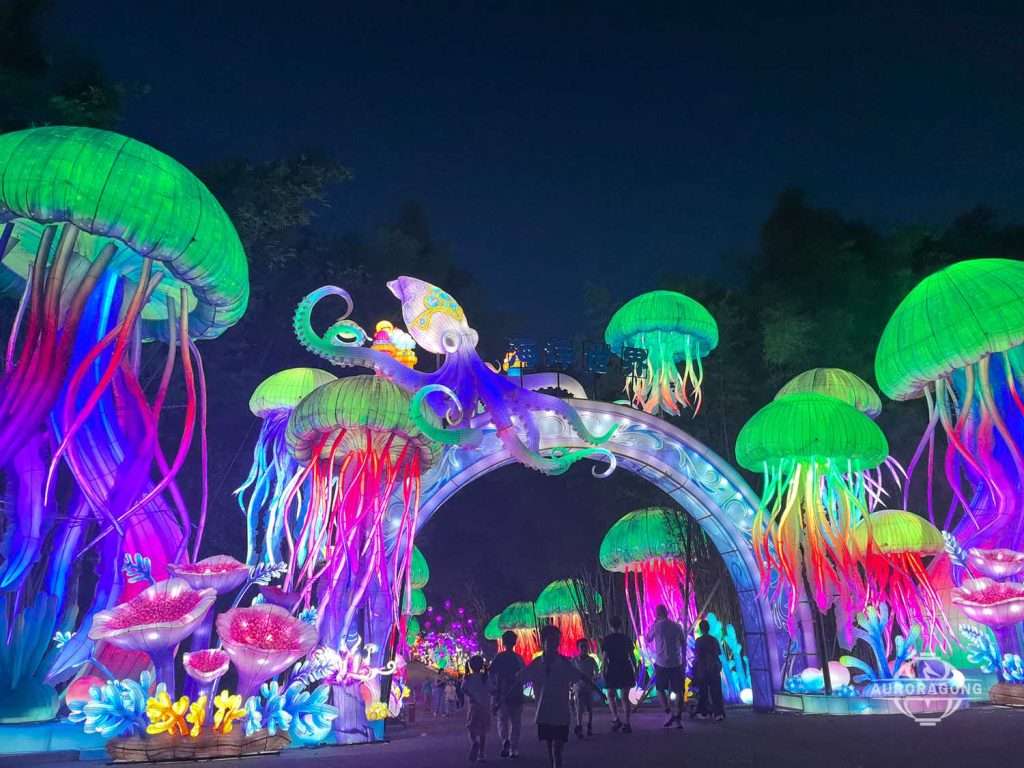
From three to five metres, visitors can read small details, so a compact piece with careful work holds attention at that range. From ten to twenty metres, small details stop registering and the overall form has to carry the design. Beyond thirty metres, only the silhouette reads at all.
A practical starting point is to set the height at roughly one third of the main viewing distance. A six-metre light sculpture viewed from eighteen metres balances well. The same piece viewed from fifty metres looks lost, even though nothing about it has changed.
What Changes When the Site Is Public
Public sites bring decisions that private ones do not. If the ground belongs to a city or a site owner, the design normally has to be approved before construction begins, and that approval takes time. If the piece stays up through the winter, the site should be planned for snow and wind from the start. If it comes down after the season, storage and reinstallation belong in the plan too.
A city that runs a winter festival has a different brief from one that wants a permanent landmark. Christmas light sculptures are built to be taken down and stored, and they are usually planned around one fixed event. A permanent piece is planned around the site alone, and it has to look right on an ordinary Tuesday in February as well as on opening night. That is where outdoor light installations differ most from seasonal work.
These questions are far easier to answer at the beginning than in the last week before opening.
Working Backwards from the Date That Matters
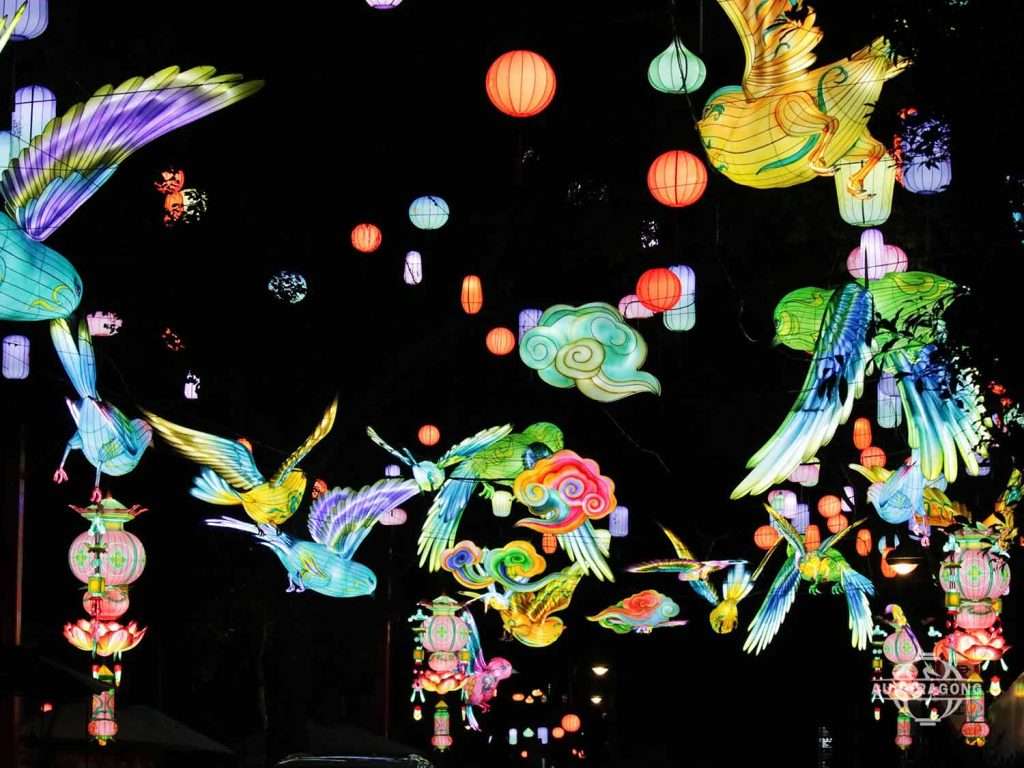
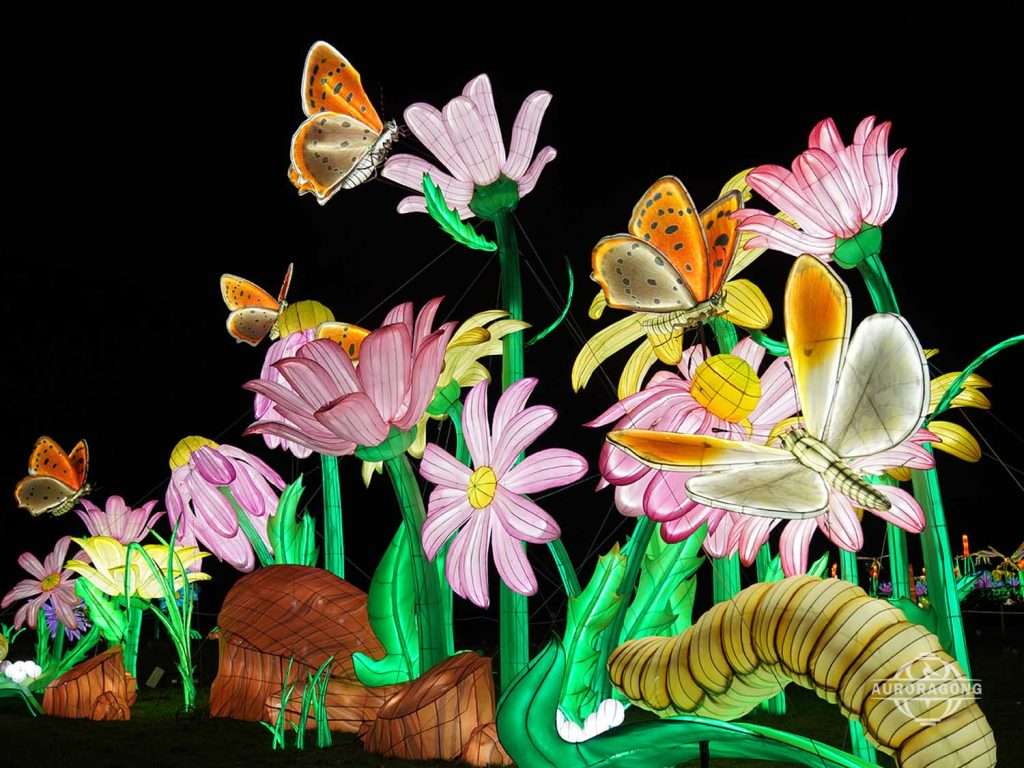
A festival or a winter season has a fixed opening night. The schedule for a light sculpture should be built backwards from that night, not forwards from today. Design and drawings come first, and production cannot start until you have approved them. Production, shipping and installation follow in that order.
On most projects the approval stage is where the time disappears, because it depends on people outside the project team: planning officers, committees, or a head office in another city. That time should sit in the schedule from the start. A light sculpture that arrives two weeks late misses the season it was built for.
One Team from Drawing to Installation
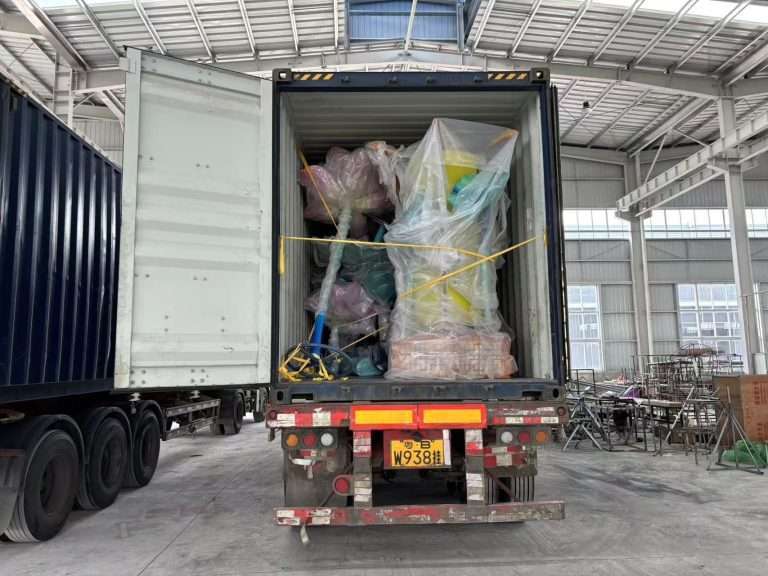
The simplest projects are the ones where a single company carries the whole job: concept drawings, structural design, production, transport and on-site installation. When you order custom light sculptures from one team, nothing falls into the gap between two suppliers, and there is one place to ask when something changes.
What stays with you is the site, the permissions that go with it, and the power connection. Everything between the first sketch and the finished light sculpture sits with us.

Five Things to Have Ready Before You Ask for a Quote
Before requesting a quotation, five things are worth having ready: the location and, if possible, photographs of it; the direction people will approach from; the date the piece has to be finished; any colour or theme the site already uses; and the position of the power supply.
With those five answers, a supplier can put together a proposal that fits your site. Without them, every offer you receive will be a guess, and you will spend the first two weeks of the project answering questions that could have been settled in an afternoon.
Light sculpture is a project before it is a purchase. Fix the site, the size, and the calendar first, and the style becomes the easy part at the end.