
In today’s fast-growing night tourism economy, competition among lantern festivals is no longer about who builds the most visually impressive display. It is about something more fundamental: who can design environments that naturally generate shareable content.
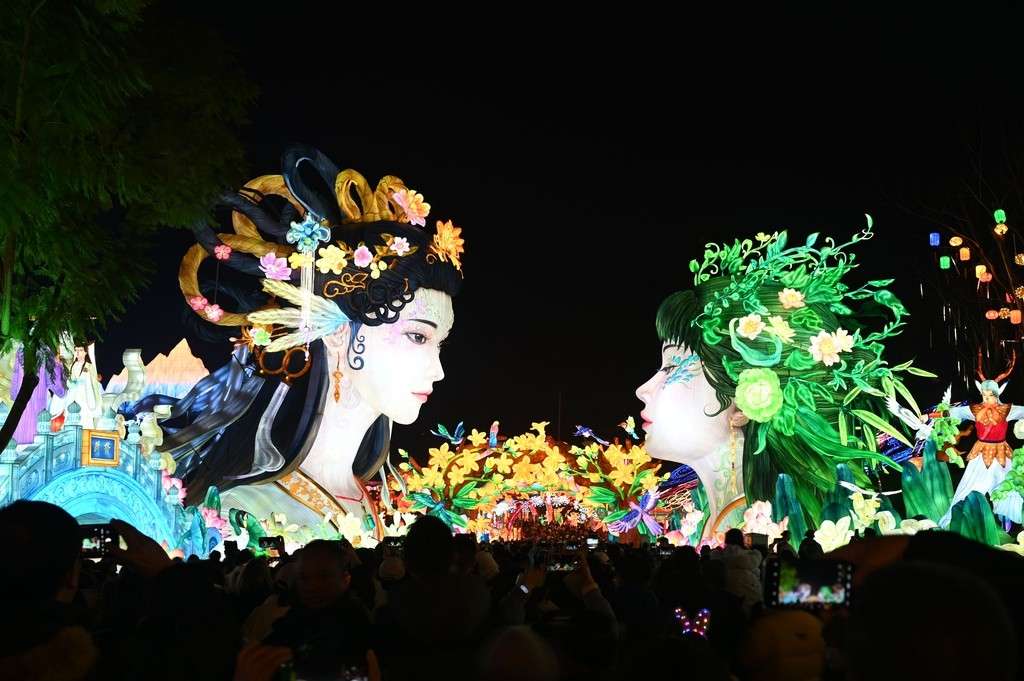
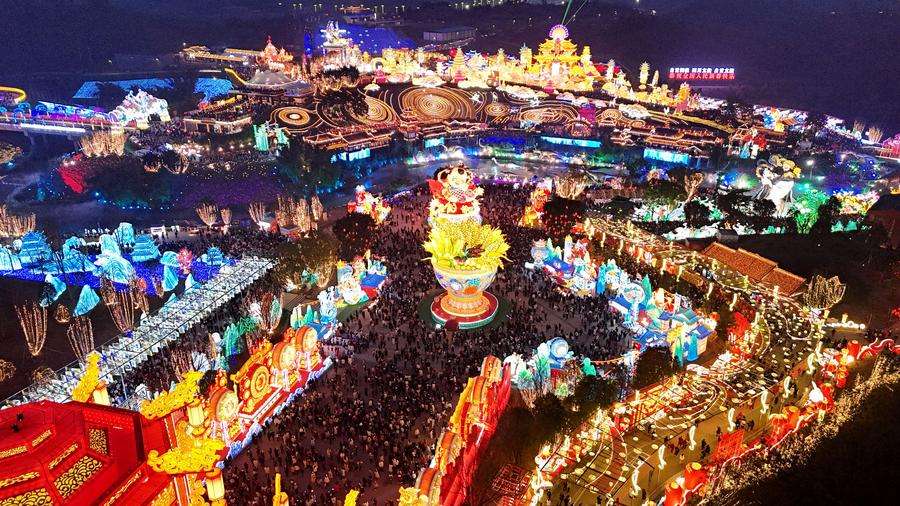
Some Zigong lantern projects quickly go viral across social media platforms, while others remain visually strong but digitally invisible. The difference is not craftsmanship—it is whether the design is built around content propagation logic.
Virality Is Not an Outcome — It Is a Designed Behavior Path
Most traditional lantern exhibitions assume a simple user journey:
enter → observe → leave
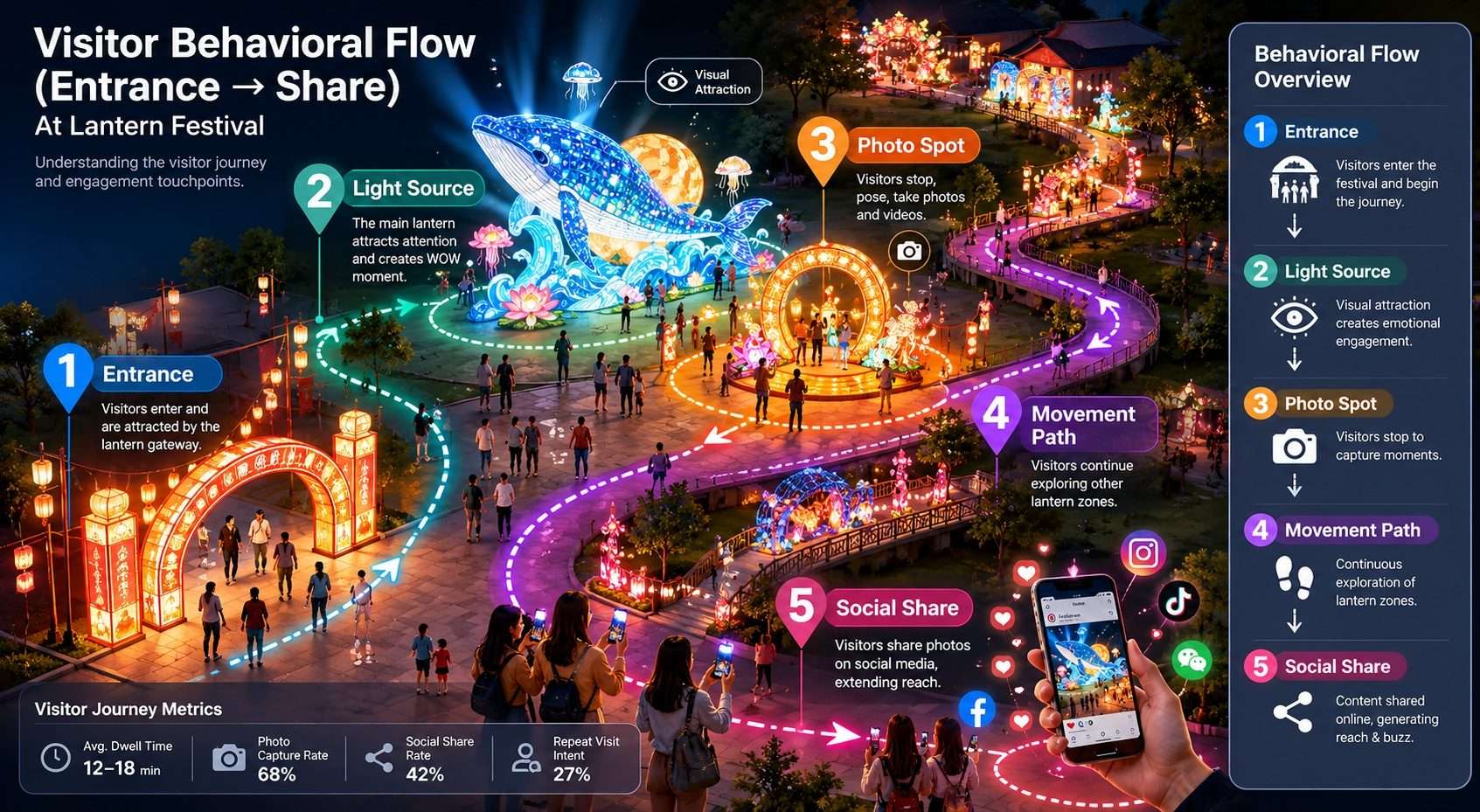
However, high-performing lantern environments follow a very different structure:
enter → immediate visual trigger → mobile photography → movement seeking better angles → repeated capture → social sharing
In other words, virality is not created by marketing—it is created by spatially guided behavioral sequences.
Effective custom Zigong lantern environments intentionally construct three behavioral triggers:
- A strong first visual impact that forces instant phone activation
- A progressive spatial journey that encourages continuous movement and shooting
- A final “memory anchor” installation that motivates content posting
When these three elements align, content creation becomes almost automatic.
Visual Contrast Architecture Matters More Than Single Installations
Many traditional designs still rely on “hero installations” as the main attraction. However, in social media environments, this approach is becoming less effective.
High-performing lantern festivals rely on a different principle:
Contrast-driven visual architecture
This typically includes three types of contrast:
- Light vs. dark transitions (dim entrances leading into high-brightness zones)
- Scale contrast (small details leading to massive centerpiece installations)
- Emotional contrast (static scenes followed by dynamic light environments)
The purpose is not simply aesthetic variation, but to constantly force visual re-evaluation. This increases dwell time and encourages repeated filming behavior.
Animal and IP Themes Work Because They Minimize Cognitive Load
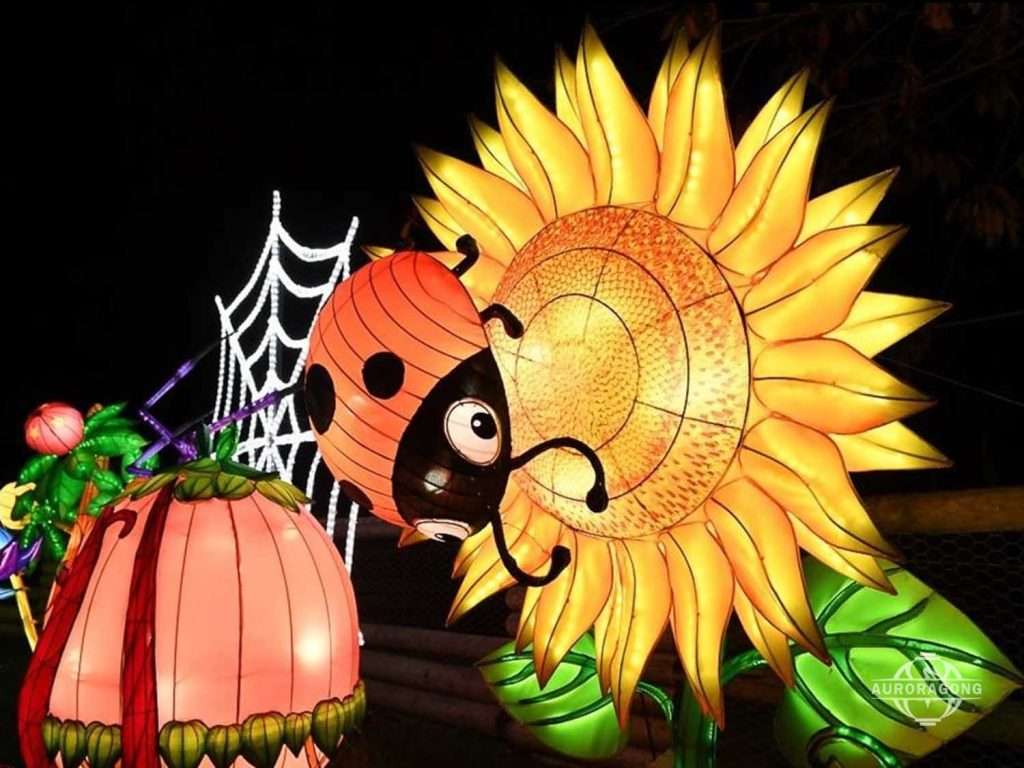
The global dominance of animal lantern installations in social media is not simply due to “cuteness” or familiarity.
The real reason is structural:
Low cognitive load + high emotional recognizability
Users can immediately:
- Identify the subject
- Assign emotional meaning
- Construct a narrative
No explanation is needed.
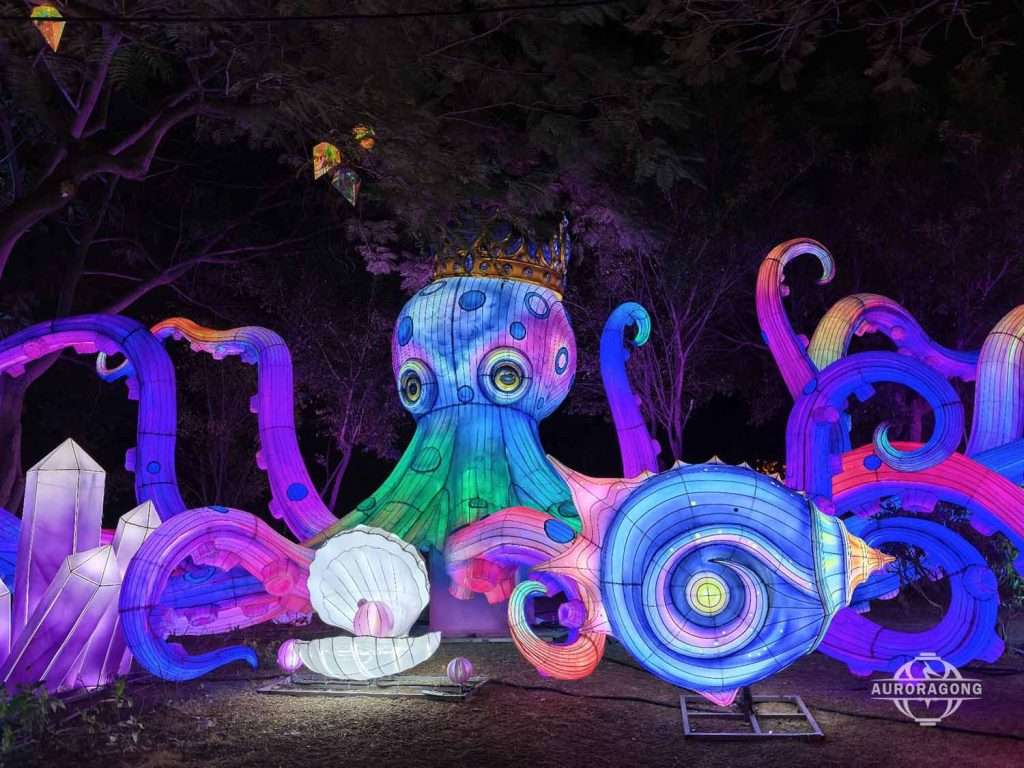
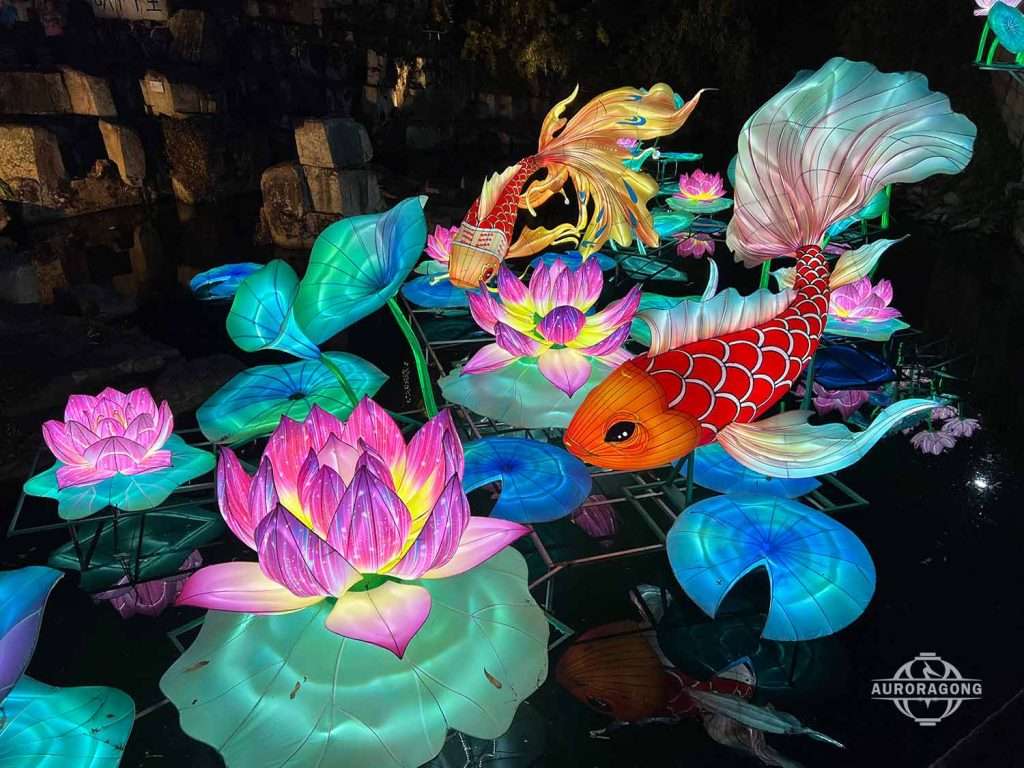
By contrast, abstract cultural symbols or complex thematic storytelling require interpretation—something social media behavior actively avoids.
This is why high-performing lantern projects tend to:
- Use animals or recognizable IP as the base visual language
- Express storytelling through lighting and atmosphere rather than explanation
- Replace textual meaning with spatial emotion
“Photographability” Determines the Upper Limit of Virality
A lantern installation becomes highly shareable only when users can produce strong visual content without photography skills.
This depends on three design principles:
Pre-defined composition
Structures such as tunnels, frames, symmetry, and pathways naturally guide framing.
Smartphone-friendly lighting
Balanced contrast and controlled color temperature ensure stable auto-exposure.
Distance optimization
Visitors naturally stand in the correct position for optimal composition.
In essence, effective lantern design functions as implicit photography instruction embedded in space.
Dynamic Lighting Systems Turn One Installation Into Multiple Content Assets
Static installations have a major limitation: users only capture them once.
Dynamic lighting systems transform a single installation into multiple content opportunities through time-based variation:
- Color temperature shifts create emotional variation
- Lighting rhythm changes produce different video moods
- Localized motion effects generate storytelling sequences
This fundamentally changes the content structure:
One installation = multiple short-form video outputs
On algorithm-driven platforms, this significantly increases exposure probability.
Virality Ends Where Replication Begins
The highest level of successful Zigong lantern design is reached when users begin to replicate the experience themselves.
This includes:
- Copying photo angles
- Recreating composition styles
- Reproducing thematic scenes
When replication behavior appears, it means the design has moved beyond “exhibition” and become a content template system.
At this stage, lantern festivals are no longer viewed as seasonal attractions—they become:
- Content production infrastructure
- Not decorative installations
Conclusion
The role of Zigong lanterns in modern night tourism is shifting from visual spectacle to systematic content generation design.
Whether a lantern festival goes viral on social media is not determined by its scale or craftsmanship, but by whether it reduces the effort required for users to create content and whether it embeds shareable logic into physical space.
When design is optimized for content creation rather than pure display, lantern festivals stop being exhibitions—and become continuous media engines generating organic traffic.