
The Lunar New Year arrives and it signifies the start of one of the major cultural events in the Chinese year. The Spring Festival celebration lasts only for a few weeks, however, the effects of the lunar new year lantern festival are felt far beyond the holiday, as they still influence cultural tourism, urban nightscapes, and even international celebrations for the whole year.
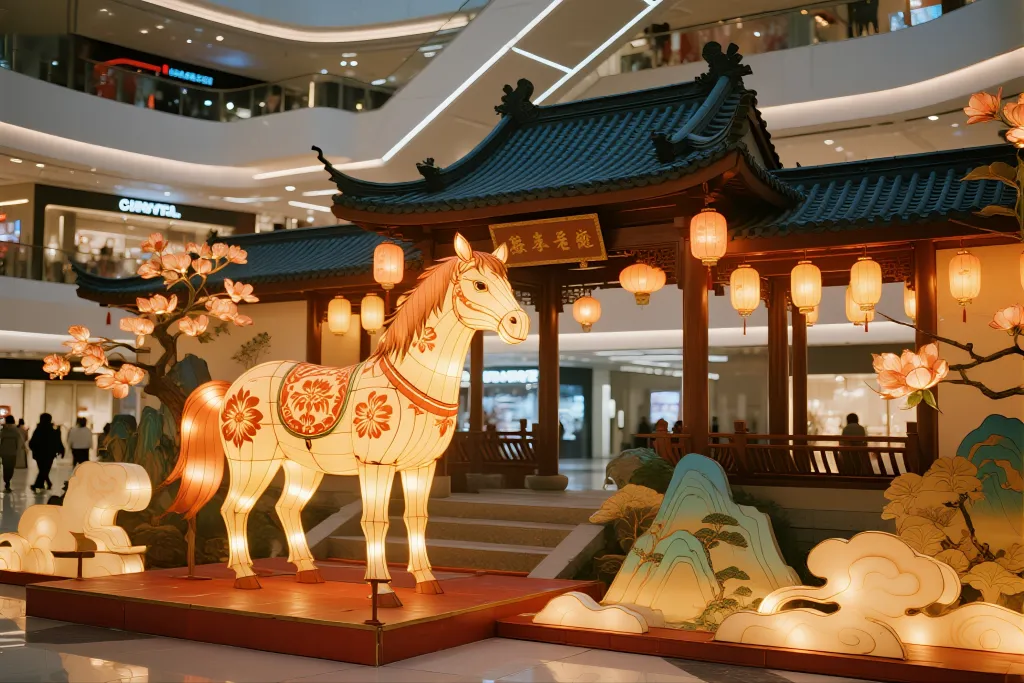
Over the years, the Chinese New Year Lantern Festival has risen from being a folk activity to a global culture event and is still associated with heritage, art, technology, and huge public engagement.
The Visual Core of Lunar New Year Celebrations
Lantern festivals are the most spectacular and nostalgic part of all Lunar New Year celebrations. The streets of traditional cities and modern metropolises are filled with large-scale lanterns that create an immersive and enchanting culture of night-time entertainment.
The lunar new year lantern festival is not only celebrated on the last day of the Spring Festival anymore. In recent times, many cities have also made their lantern exhibitions last for several weeks or even months, thus enabling both residents and tourists to feel the festive atmosphere far beyond the holiday peak.
The meanings of lanterns are reunion, hope, and wealth—traits that form the very foundation of Chinese culture. Thus, the huge public event of the Chinese New Year lantern festival is not only a celebration but also a great platform for storytelling, urban branding, and cultural exchange due to its symbolic meaning.
From Tradition to Cultural IP
In the past, the lantern festivals were primarily showcasing hand-made lanterns with zodiac animals, mythical figures, and good luck signs. Now, the modern lantern festivals are the mixture of making art in the traditional way and the use of contemporary design, LED lights, and interactive art installations.
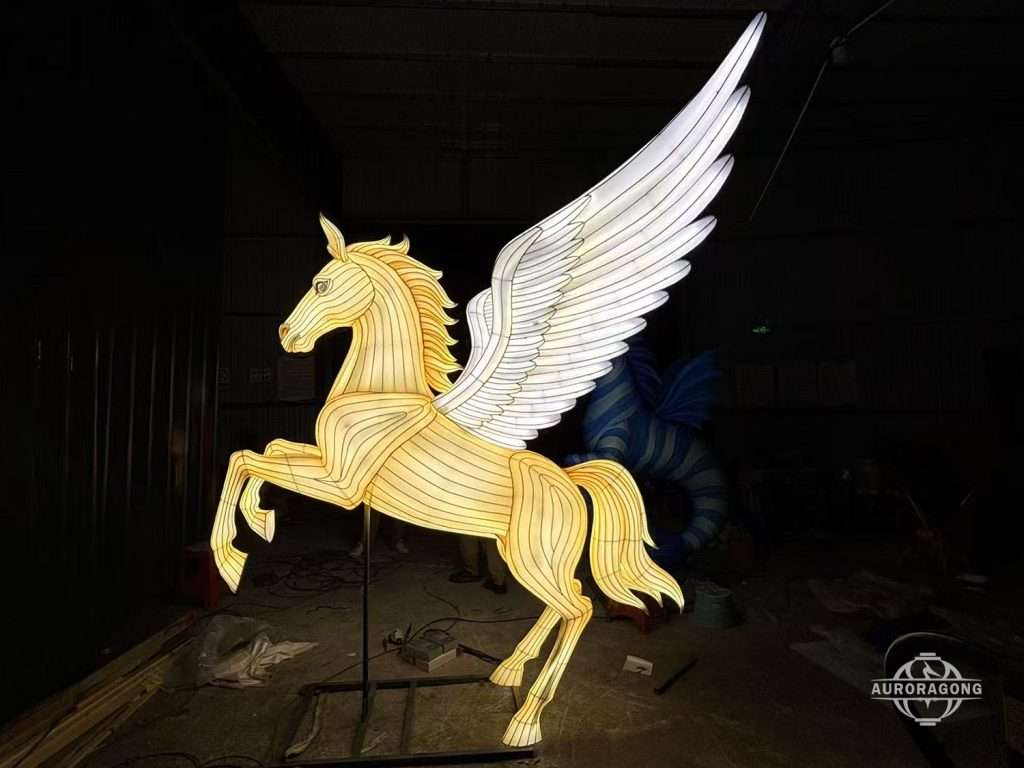
Themed large-scale lantern areas, light walk-throughs that provide complete immersion, and lantern displays built around stories have become very popular. The above-mentioned innovations have led to the rebranding of the lunar new year lantern festival as a cultural intellectual property able to pull in not only sponsorships but also international tourists and much social media coverage as well.
Thus, the Chinese lunar new year lantern festival has become a cultural tip that cities need to use in their attempts to pull in and keep night-time spending and cultural tourism.
A Global Celebration Beyond China
The Chinese lunar new year lantern festival, which was previously a major regional event, is now a worldwide festival. The major cities in Asia, Europe, North America, and the Middle East all present their individual versions of the festival, and oftentimes, the traditional Chinese cultural aspects are mixed with the local artistic styles.
From Paris and London to New York and Sydney, the lantern festivals act like cultural bridges that allow the international audiences to understand Chinese traditions through a very visual and easily accessible medium. These global festivals not only highlight the continuous popularity of the lunar new year lantern festival as a cultural topic but also its relevance as a year-round event rather than a seasonal curiosity.
Why Lantern Festivals Remain a Year-Round Cultural Hotspot
The continuous attention given to lantern festivals over the years can be attributed to several factors. One of the first factors is that lantern installations are very flexible and can be used in different areas such as theme parks, cultural districts, tourism projects, and commercial spaces. Another reason is that lantern festivals have a beautiful appeal and thus are perfect for social media and digital marketing exposure.
However, the most notable reason is that the Chinese lunar new year lantern festivals are deeply rooted culturally. Thus, they express the passing of time, the coexistence of tradition and innovation, the universal longing for celebration and light, and other similar values which are not limited to the Lunar New Year but rather to an extent, resonate with people of all times and cultures.
Conclusion
The Lunar New Year Lantern Festival has been a great success and its continued popularity has pretty much confirmed that the Chinese New Year celebrations do not just take place on one calendar date. On the contrary, they reflect a very lively cultural system that is still growing, changing, and inspiring new forms of communication across countries.
In their quest to engage the public in a meaningful and visually attractive manner, cities and cultural institutions will find the Chinese Lunar New Year Lantern Festival to be an effective cultural manifestation that not only brightens festive nights but also the future of global cultural interaction.
Related Products
No posts