
Talk about dinosaurs rarely covers the full range of known species. In practice, only a small group of popular dinosaurs turns up again and again — in museums, theme parks, school materials and large traveling exhibitions. Those few have become the default image of prehistory, familiar to visitors of any age and any background, which is why they can carry an exhibition on their own.

Identifying the reasons behind the popularity of certain dinosaurs is crucial for anyone involved in planning a dinosaur exhibition, a theme park attraction, or an immersive educational experience.
What Makes Certain Dinosaurs Popular Worldwide
Visitor studies from museums in Europe, North America and Asia, together with public perception surveys, point to three traits that the dinosaurs share.
The first is instant recognition. The silhouettes of Tyrannosaurus rex, Triceratops and Stegosaurus are unmistakable even at a distance, and that matters more than it sounds. Visitors decide whether to stop or walk on within seconds, and a shape they already know buys those seconds.
Secondly, their popularity is further strengthened by the long-standing exposure of the dinosaurs through movies, books, museums, and kids’ media. Research performed in both Europe and North America suggests that those dinosaurs that are frequently shown in the mainstream media—especially through major film franchises—are able to claim a public awareness that is significantly higher than that of the lesser-known species. Eventually, this leads to the formation of a stable group of globally recognized popular dinosaurs.
The third is emotional. The big predators read as power and danger, the largest plant-eaters as size and wonder. Exhibition research cited by international museum bodies shows that visitors stay longer in front of displays that provoke a strong emotional response — which is exactly what these species do.
The World’s Top 10 Popular Dinosaurs
Ranking by how often each species appears in exhibitions, how widely it is recognized, and how far it reaches into popular culture gives the ten popular dinosaurs below. The table puts the basics side by side.
| Dinosaur | Period | Length | Weight | Diet |
|---|---|---|---|---|
| Tyrannosaurus rex | Late Cretaceous | 12–13 m | 8–9 t | Carnivore |
| Triceratops | Late Cretaceous | 8–9 m | 6–12 t | Herbivore |
| Velociraptor | Late Cretaceous | 1.8–2 m | 15 kg | Carnivore |
| Stegosaurus | Late Jurassic | 9 m | 5–7 t | Herbivore |
| Spinosaurus | Early Cretaceous | 14–18 m | 7–20 t | Piscivore |
| Brachiosaurus | Late Jurassic | 18–22 m | 30–60 t | Herbivore |
| Allosaurus | Late Jurassic | 8.5–12 m | 1–2 t | Carnivore |
| Apatosaurus | Late Jurassic | 21–23 m | 16–22 t | Herbivore |
| Ankylosaurus | Late Cretaceous | 6–8 m | 5–8 t | Herbivore |
| Parasaurolophus | Late Cretaceous | 9.5–11 m | 2.5–3.5 t | Herbivore |
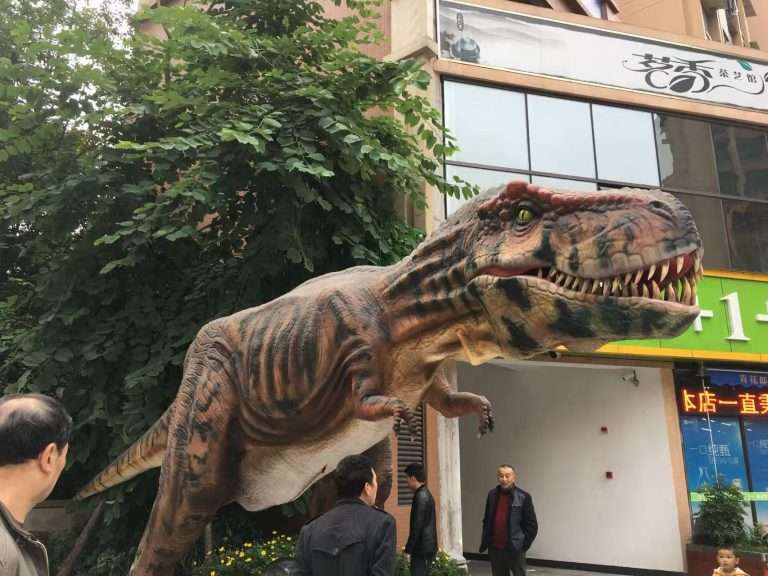
Tyrannosaurus Rex
It is a dinosaur that everyone knows and very often is the one dinosaur that people think of when talking about dinosaurs. It being the dominant dinosaur in movies and being a centerpiece in many museums, the T-Rex is the ultimate icon of dinosaur culture without a doubt.
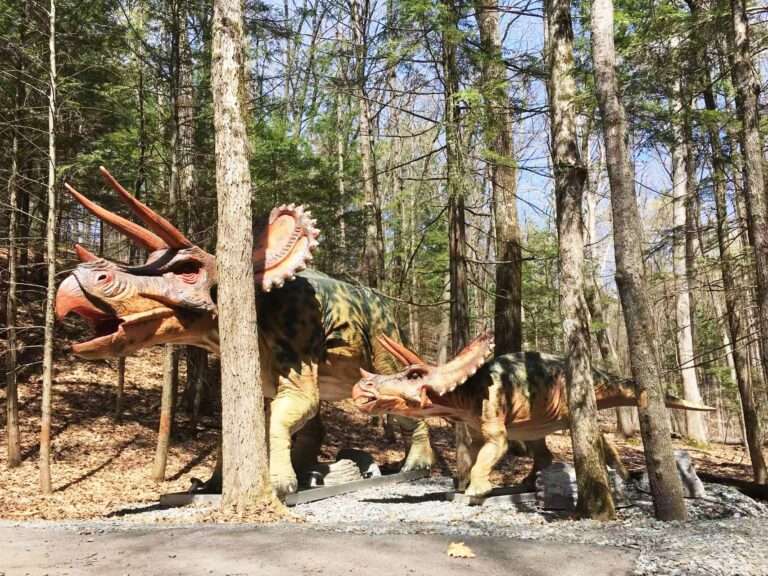
Triceratops
Three-horned dinosaurs are among the most famous herbivorous dinosaurs. Their popularity comes from their frequent appearance in museums, mainly educational ones and family-oriented exhibitions.
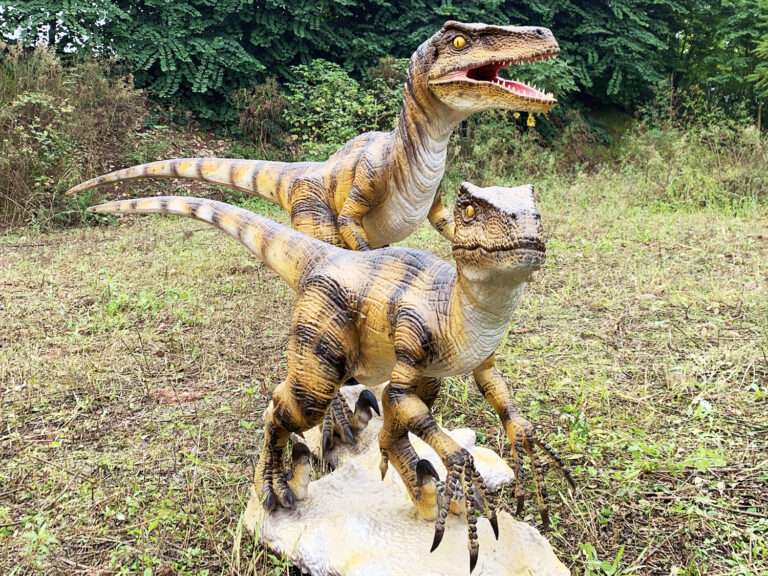
Velociraptor
One of the dinosaurs to be always depicted as highly intelligent and rapid-moving hence the massive popularity. The modern-day exhibitions often use this dinosaur as an element of storytelling and to conjure up a dramatic scene.
Stegosaurus
The back plates of Stegosaurus are the primary reason why it easy to recognize dinosaurs. The popularity of Stegosaurus continues both in museums and theme parks, which are mostly dominated by dinosaurs.

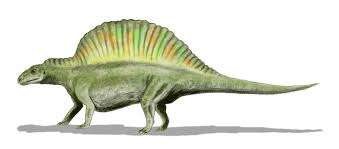
Spinosaurus
Spinosaurus is one of the modern popular dinosaurs that has been granted a global audience’s attention due to its unique feature, the sail, and its habitat, a water-living creature versus a land-living one, which is a scientific debate and controversy going on in the field.
Brachiosaurus
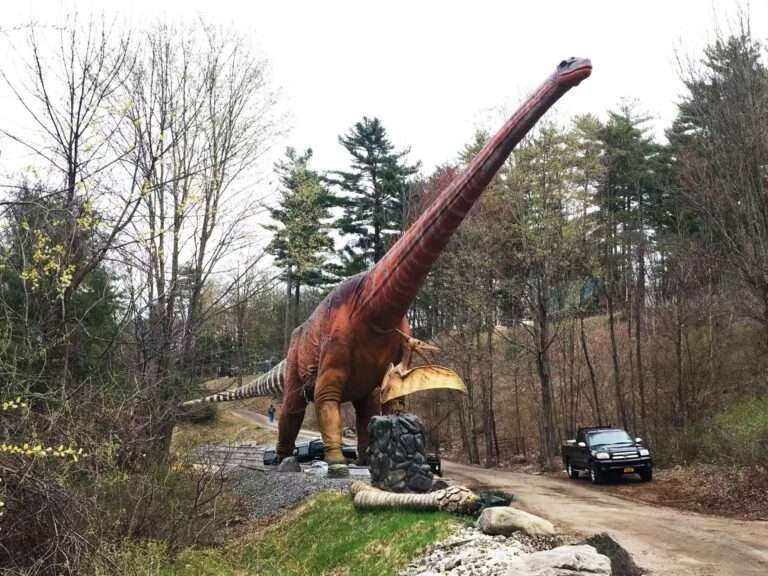
The long-necked giant is represented as the classic and gigantic dinosaur that people expect when they meet large dinosaurs in exhibitions with vast spaces.
Allosaurus
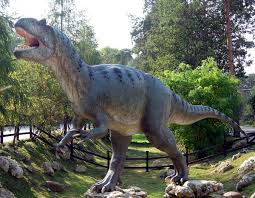
This historically important predator, who is often allied with T. rex in educational and scientific contexts, further contributes to its popularity.
Apatosaurus / Brontosaurus
The Dinosaurs have been firmly rooted in public imagination, and this particular dinosaur is still one of the most popular ones that never die away, just transformed from one generation to another.

Ankylosaurus
The dinosaur is not only visually unique and memorable due to its armored body and tail club, but also in the interactive learning environments.
Parasaurolophus and Hadrosaur Dinosaurs
Parasaurolophus and the other crested hadrosaurs are the quiet members of the group. They carry no teeth-and-claws reputation, yet they are the ones most often chosen for family and school programs: a herd can stand in a hall without frightening small children, and the hollow crest gives an exhibition a sound to build a story around.
Why Popular Dinosaurs Are the Best for Animatronic Exhibitions
The choice of popular dinosaurs is not only the opening step in the modern exhibitions; the manner of their presentation is what controls the visitor’s involvement and the commercial success.
The non-living dinosaur figures enhance the merits of the popular dinosaurs through kinetic movement, noise, and faithful reproduction of the sizes. Research in exhibition design has been proving for a long time that lively presentations will attract visitors for a longer period of time and give them stronger emotional ties to the exhibition, in comparison with static models.
It is for this reason that the big names in dinosaurs are nearly always the ones selected for the animatronic shows in museums, amusement parks, and traveling exhibitions.
Bringing Popular Dinosaurs to Life with AuroraGong Animatronic Dinosaurs
AuroraGong has a specialization in animatronic dinosaurs of the highest quality and emphasizes the most recognized dinosaurs in the world to grant maximum audience impact and recognition. The dinosaurs from T-Rex to Brachiosaurus and Triceratops have been created authentically in size, movement, and building materials that last for a long time, so they are all suitable for exhibition.
The use of internationally popular dinosaur species alongside the state-of-the-art animatronic technology will not just make the exhibitions look familiar but will also turn them into immersive and unforgettable experiences for audiences of all ages.
Conclusion
Dinosaurs became globally renowned and, thus, their popularity was not an accident. The most popular dinosaurs have been through scientific research for many years, have been seen in many forms of culture, and have had successful exhibitions. It is still the most sure way to attract the public all over the world by letting these dinosaurs be the center of attention and showing them with the top-notch animatronic systems in museums, theme parks, and commercial displays.