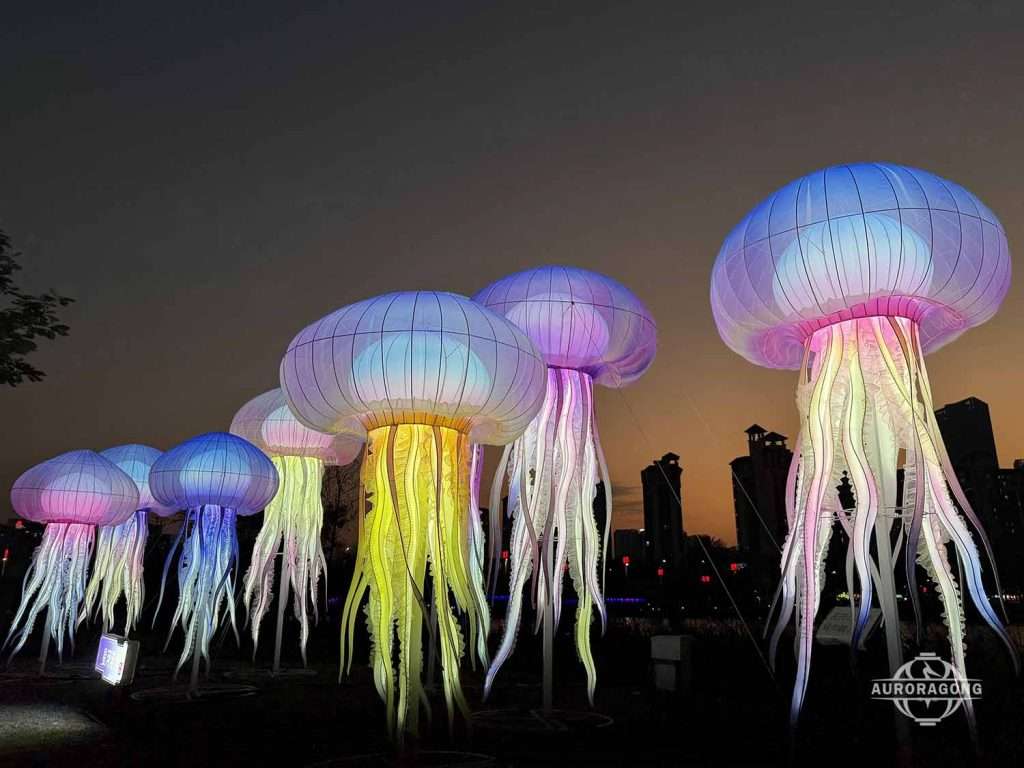
A zoo that runs a light show for the winter usually collects three or four proposals that look almost identical. The photographs repeat, the language repeats, and every supplier promises an immersive experience. The differences that matter turn up later, once the pieces are standing inside a route the animals already use, and once somebody has to decide whether the same set can go somewhere else next season. A zoo lantern festival provider that has built inside an animal collection will have asked about those things before drawing anything.
Fixed set or touring set
The first question to put to any zoo lantern festival provider is whether the set is built to stay where it is placed or built to travel. The two are not interchangeable. A zoo that runs the same show on the same lawn every winter is served well by a fixed set, where the pieces can be sized to their positions and left in place through the run. A zoo that wants the lake one year and the children’s farm the next needs a touring set, which changes how the pieces are built, how they are numbered, and how much ground has to be closed while they go up.
When a zoo lantern festival provider says a show can travel, ask how many times that particular set has been taken down, packed and rebuilt somewhere else. Most will name a number without hesitating, and the number tells you whether the design was made for it. A zoo deciding between a lantern festival and a holiday light show is really choosing between two different kinds of asset.
Where each piece goes
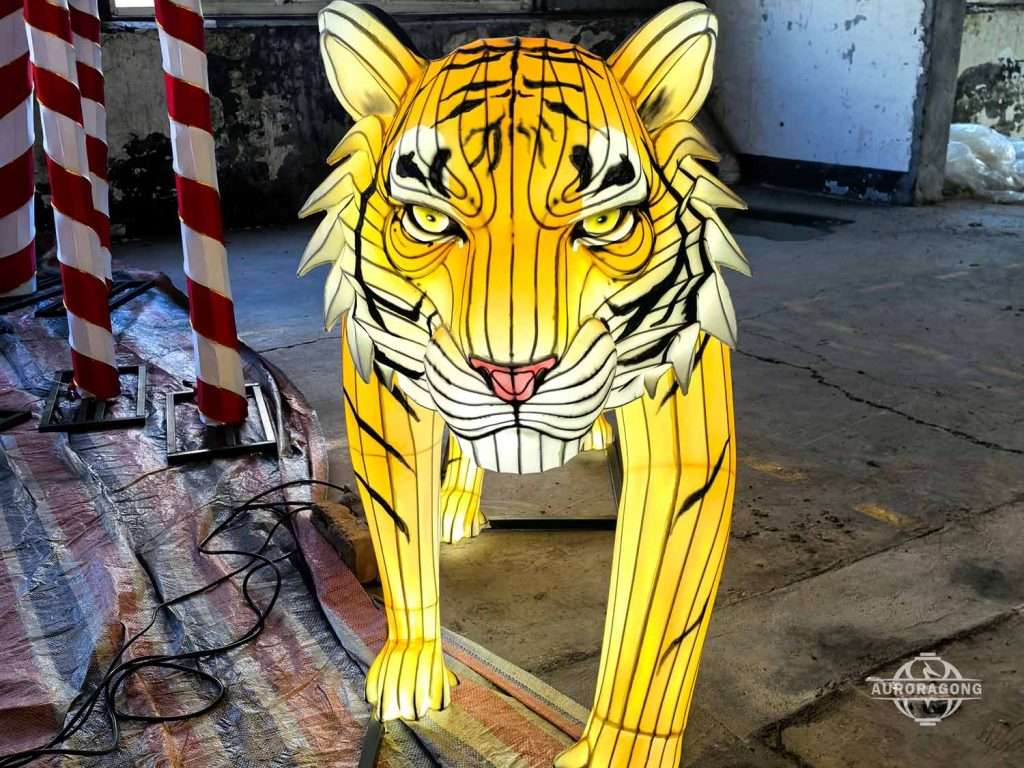
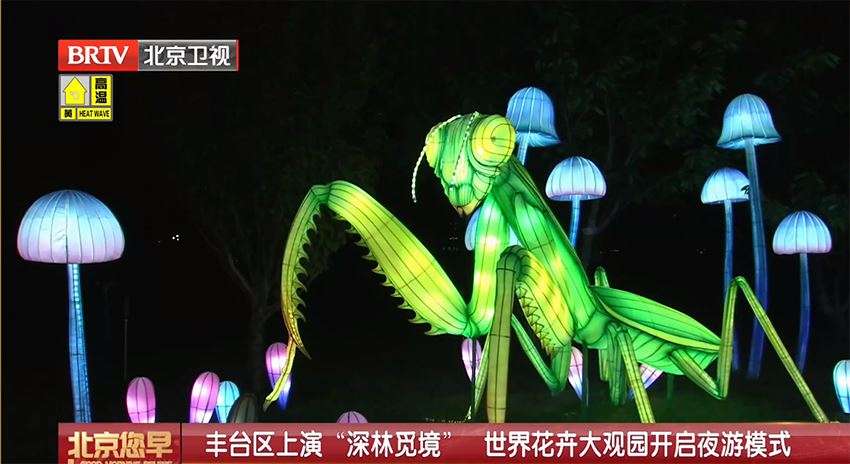
Nothing else decides as much about how a show reads. A zoo offers a limited number of places where a large lit object can stand without blocking a service road, a keeper’s route or a fire lane, and those places are not evenly spread around the site. The usual six are the entrance and ticket area, the walkways and tunnels between enclosures, the waterfowl lake or moat, the open lawn the public walks across, the walls and fences along the perimeter, and the tree canopy above a path. Animal lanterns placed on a lawn can be read from thirty metres away, while the same pieces on a path have to work at arm’s length. A zoo lantern festival provider who has worked inside an animal collection will ask about all six before drawing anything.


What decides the scale
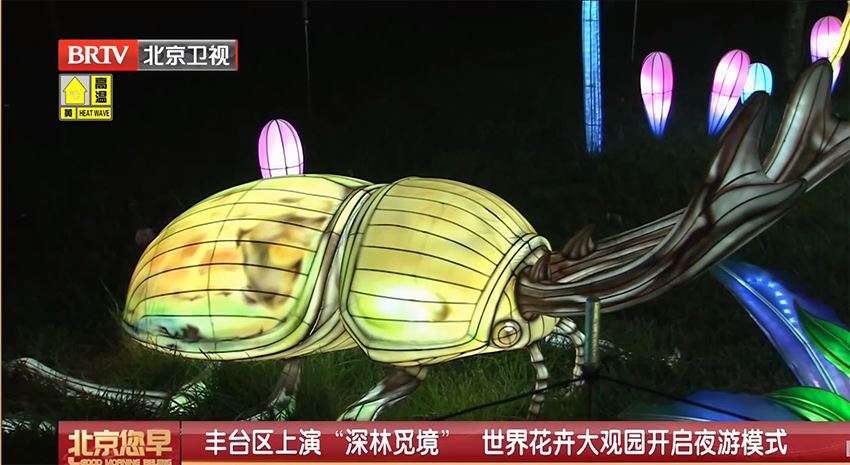
Scale follows the site. A full-size figure that reads correctly on an open lawn crowds a corridor, and a small piece set down on a wide lawn disappears. The useful question is not how tall a piece can be made, but how far away visitors first see it and whether they will pass it walking or standing still. Height also has to be cleared against the route, since some paths run under trees that cannot be touched. A zoo lantern festival provider worth hiring will say no to a piece that the site cannot carry.
What a provider needs from you
Almost every delay at the quoting stage comes from the same missing information. Four things make a proposal usable: a site plan or a rough sketch with the intended route marked, the width and surface of the paths the pieces will travel along and stand on, whether a piece will be outdoors for the whole run or partly under cover, and the dates the show has to open and close. Photographs of the locations help more than long descriptions. A zoo lantern festival provider can work from a marked-up sketch, and nobody can work from a description of a big open area near the lake.
When the show opens and how long it runs
Zoos carry a constraint most venues do not. Animals keep their own schedules, so a show running into the evening has to sit alongside keeper routines, feeding times and any species that is sensitive to light or noise close to its enclosure. Settle the opening and closing times before the layout is fixed, because they change how many pieces the route needs and whether the last stretch of walkway has to be lit at all. This is where a zoo lantern festival provider who has worked in a collection raises the question first, and it is also the thing the board asks about afterwards: the effect on visitor numbers.
Judging the drawing, not the wording
Proposals in this trade are written to sound alike, so the drawing is the better test. Ask for a layout of your own site instead of a generic 3D image, and look at whether anything has been placed where a service vehicle needs to go. Ask the zoo lantern festival provider which pieces are made for this location and which are existing designs being reused, then ask what would be dropped if the route turned out shorter than expected. That last answer shows how much of the proposal was built for your site. If the replies are specific, the project will be easier to run. If they are vague, the drawings were probably not made for your site.