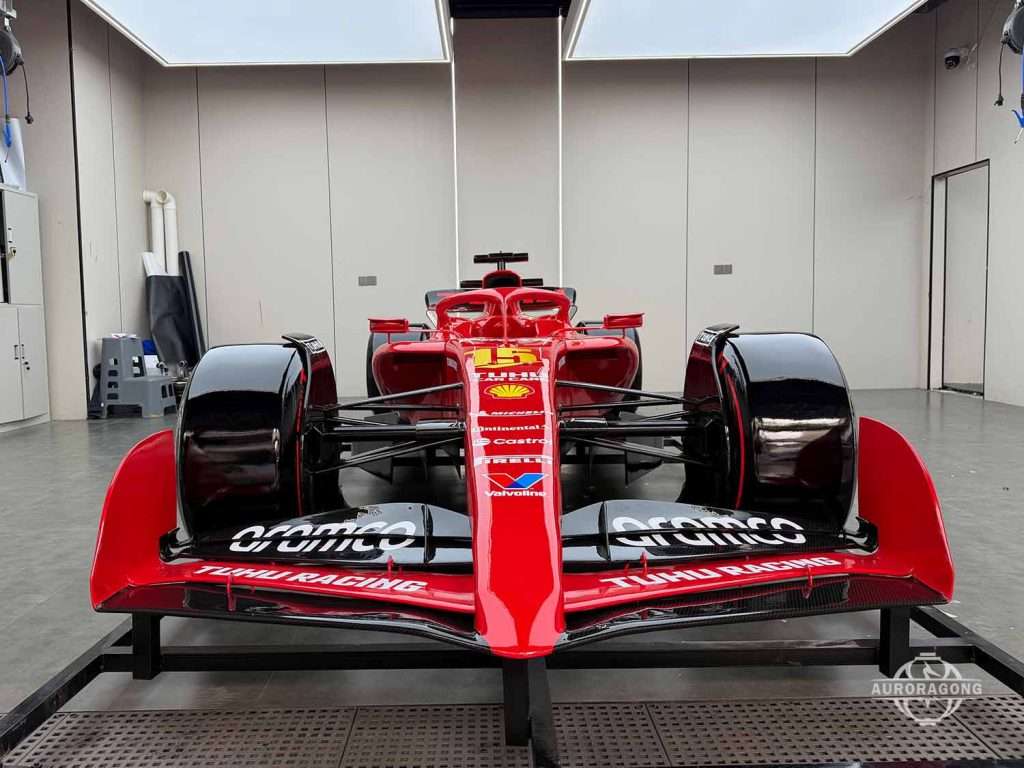
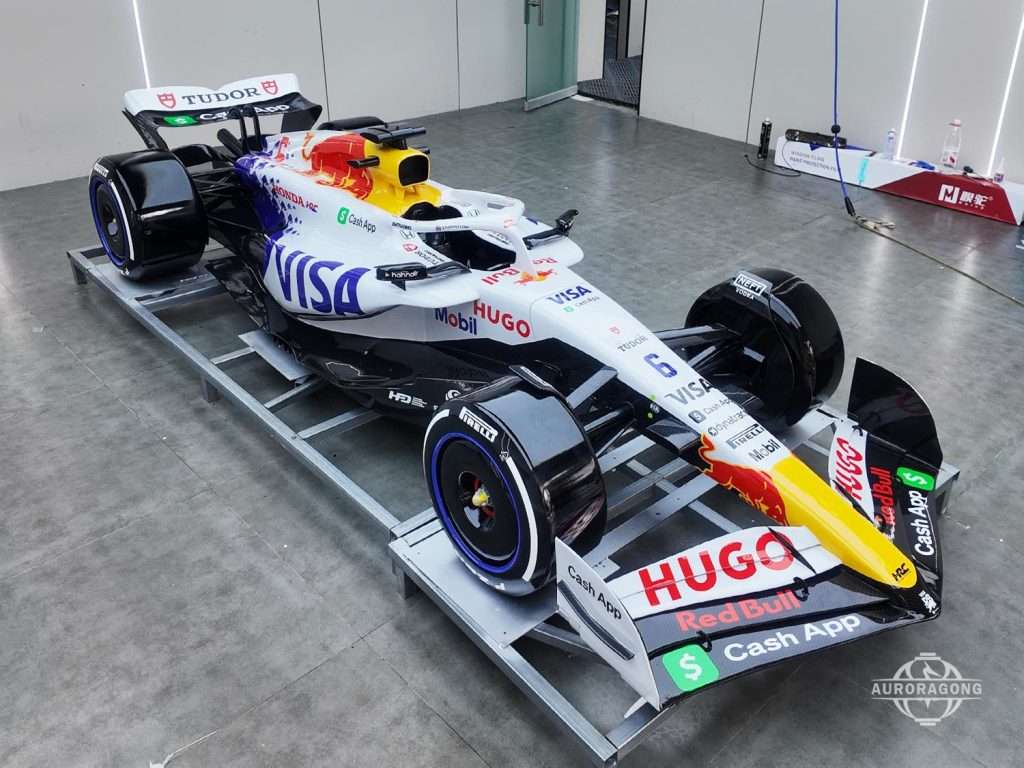

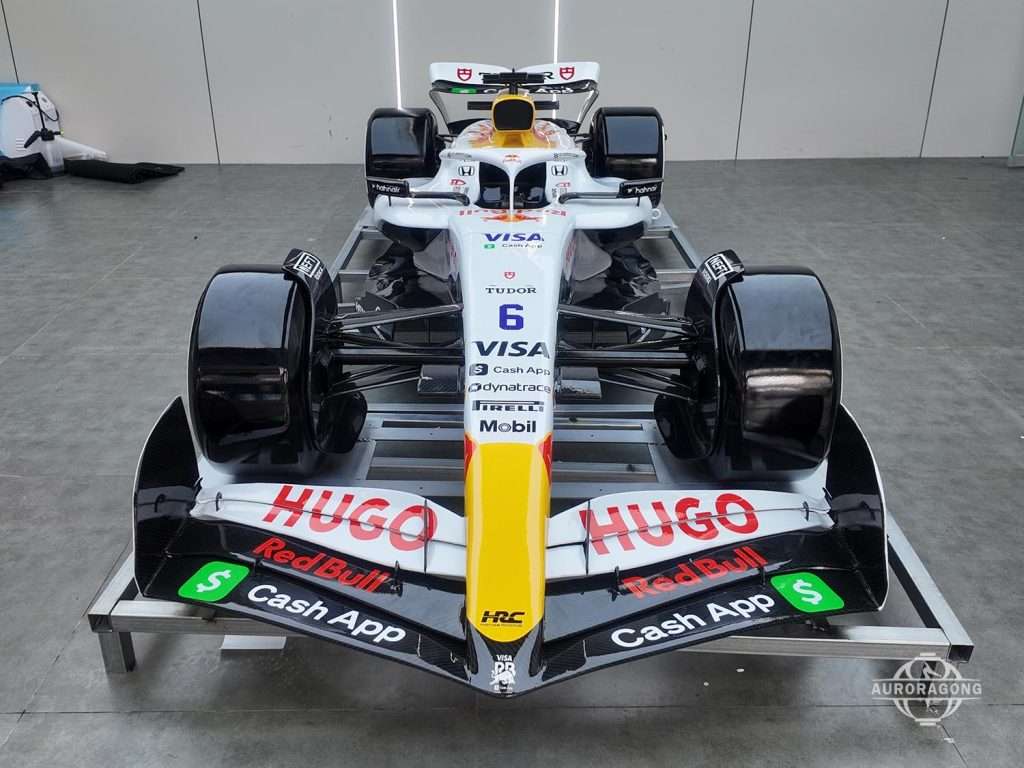
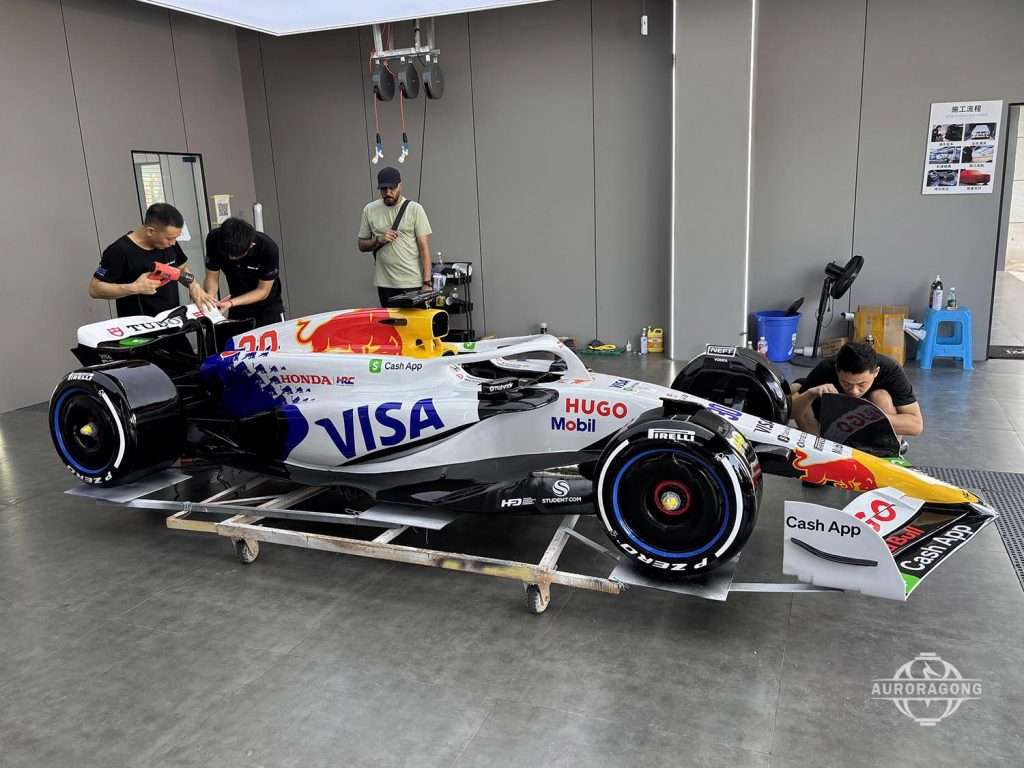
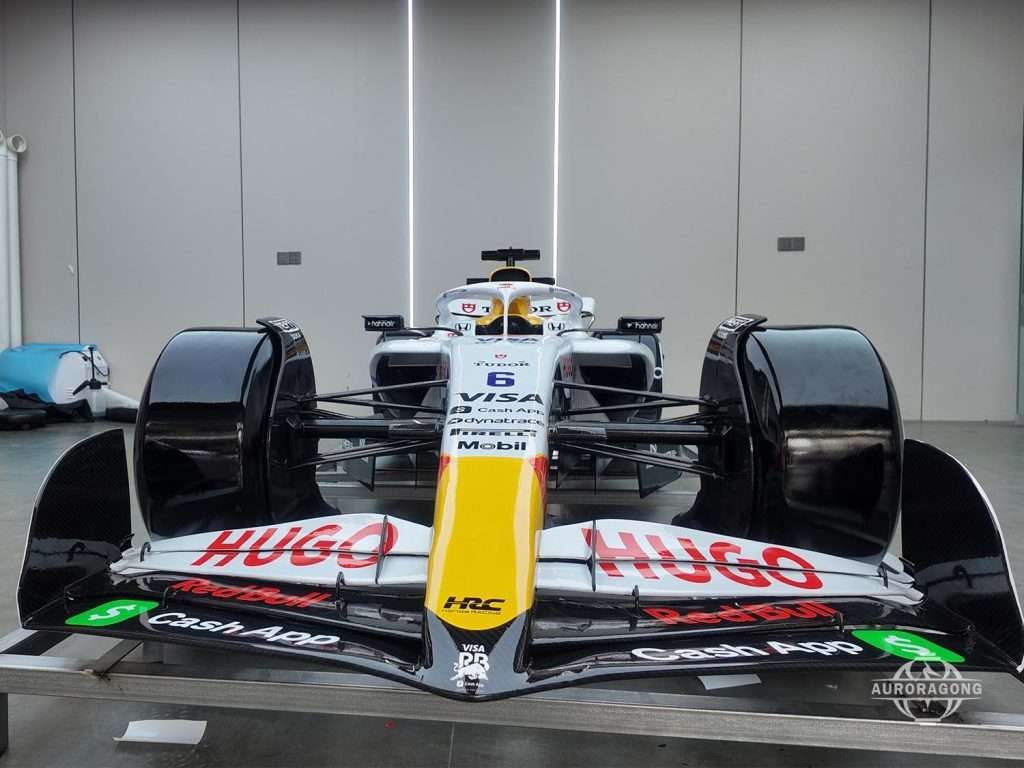
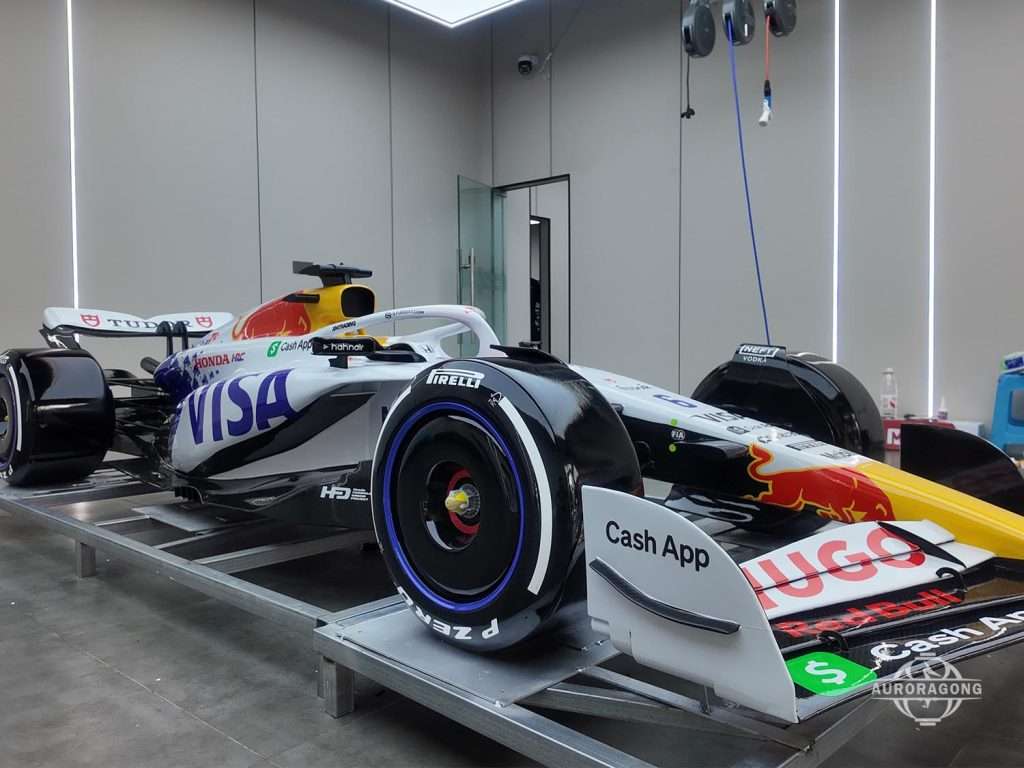
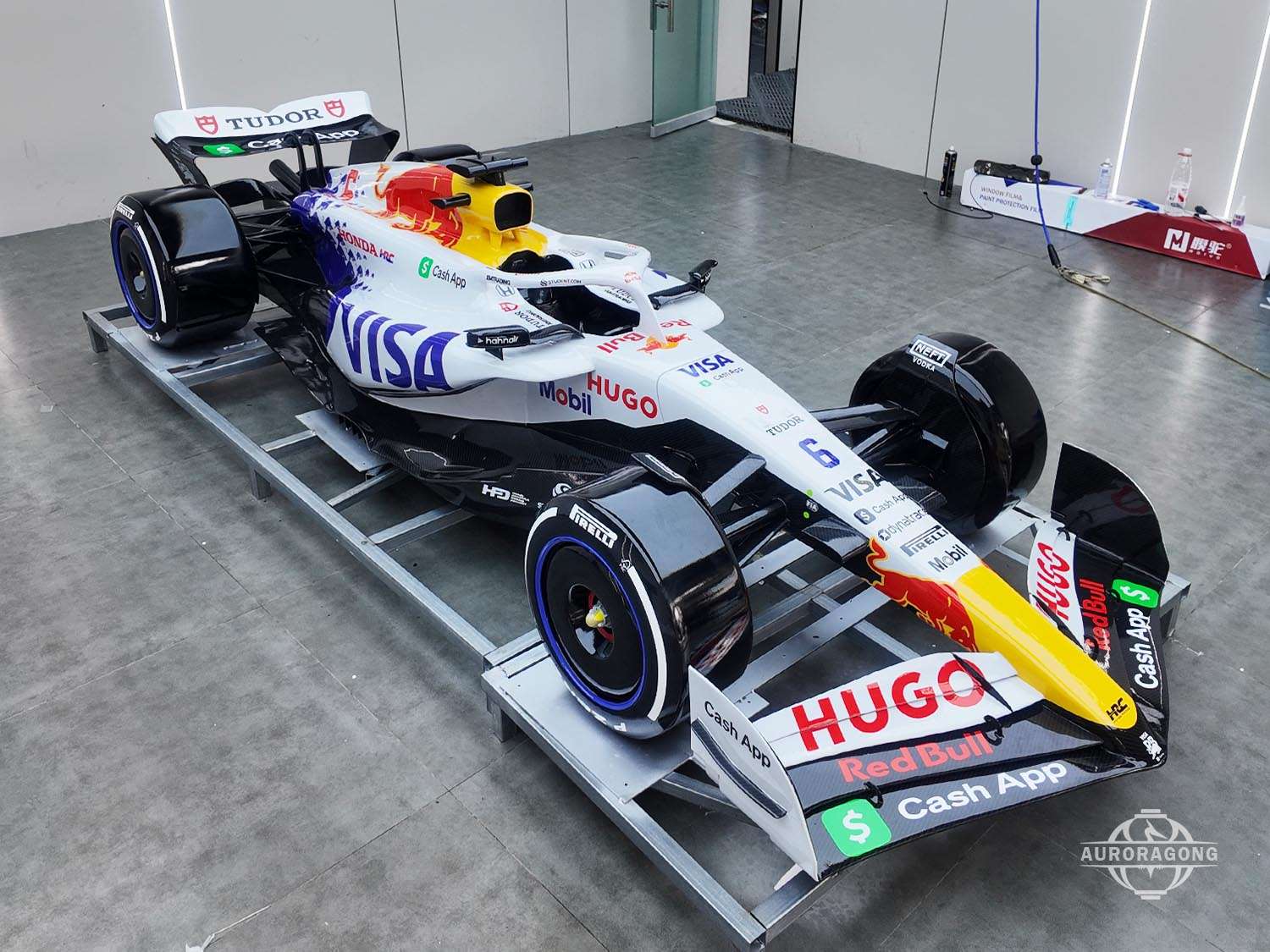
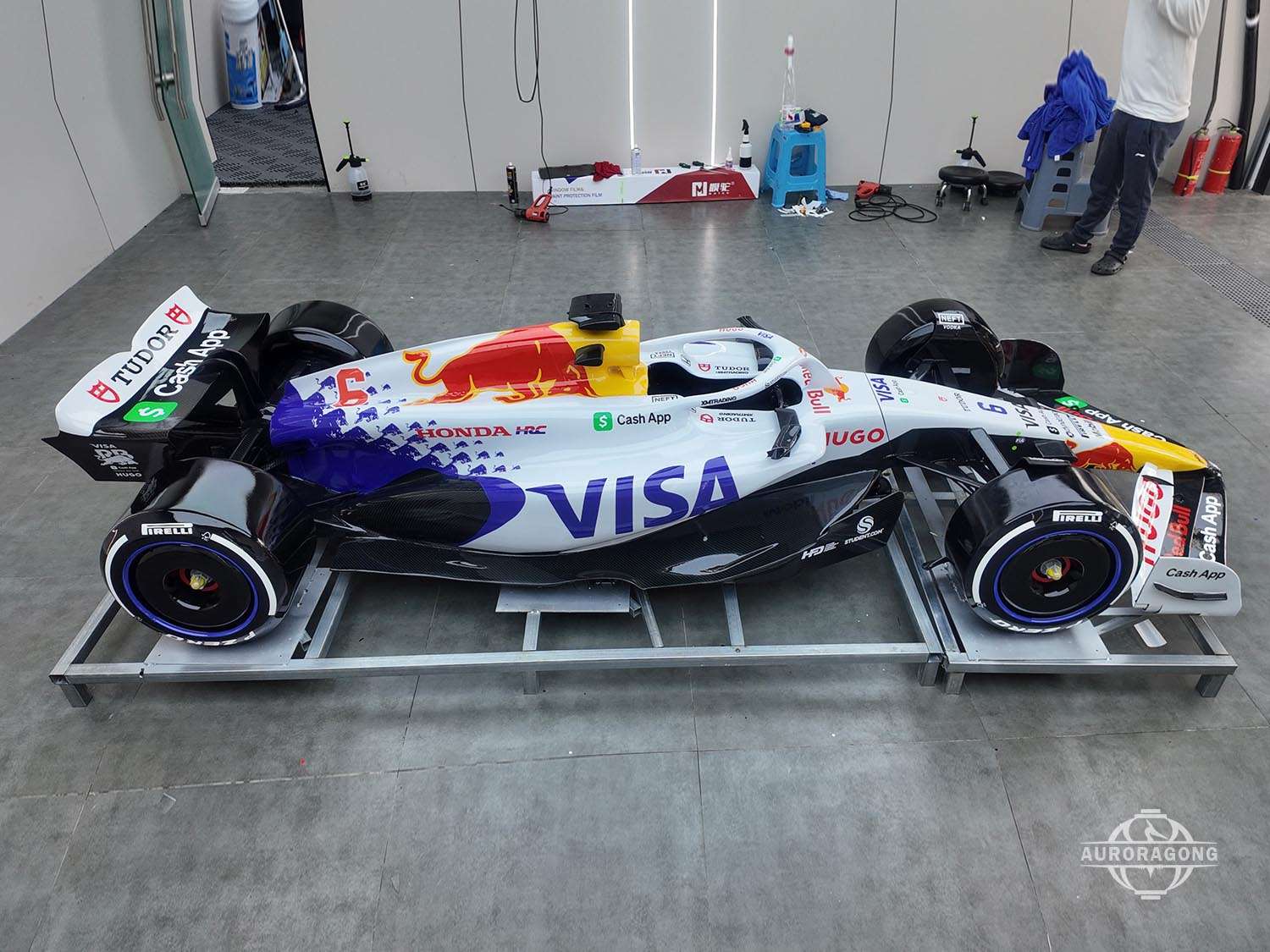
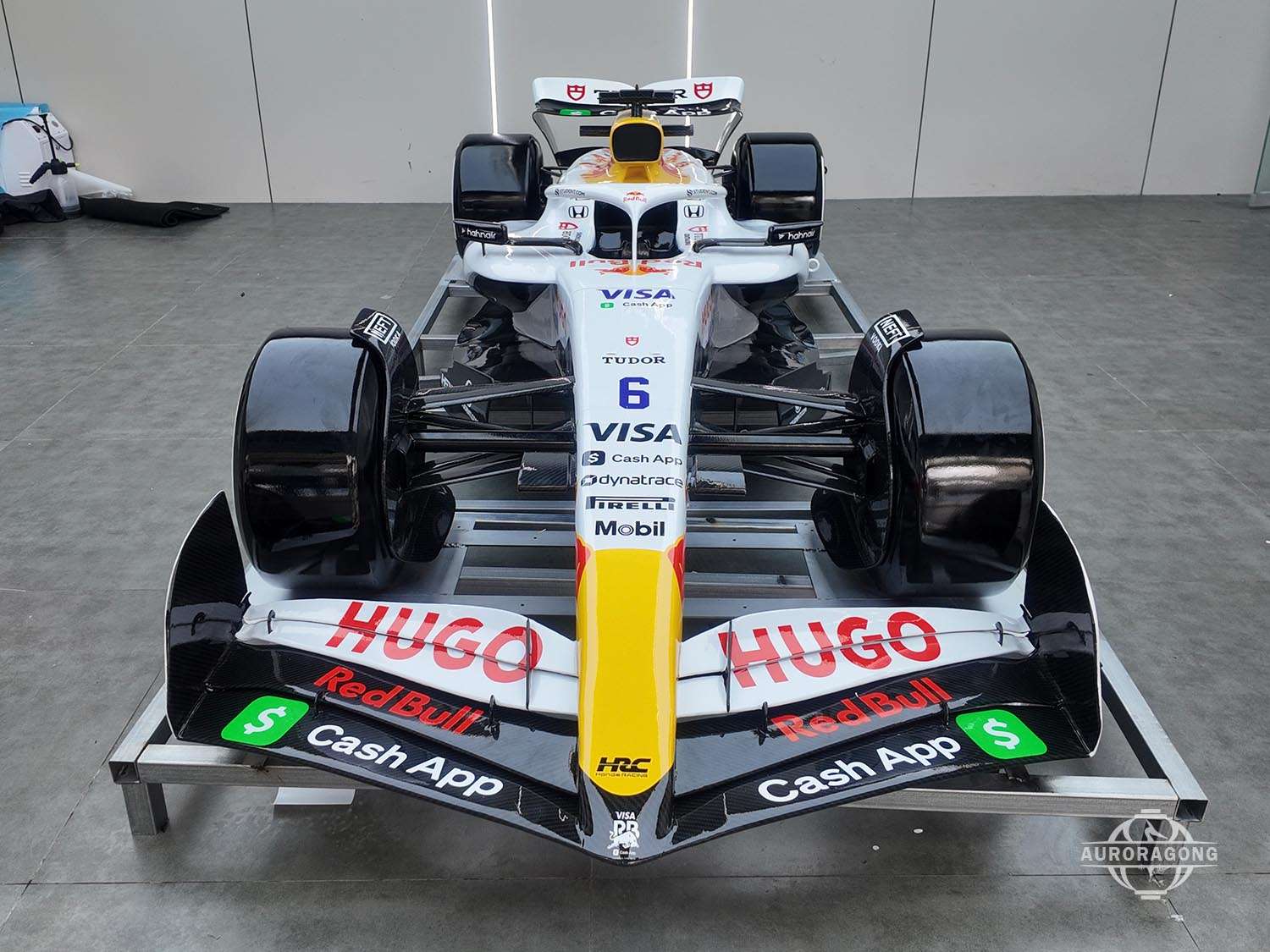
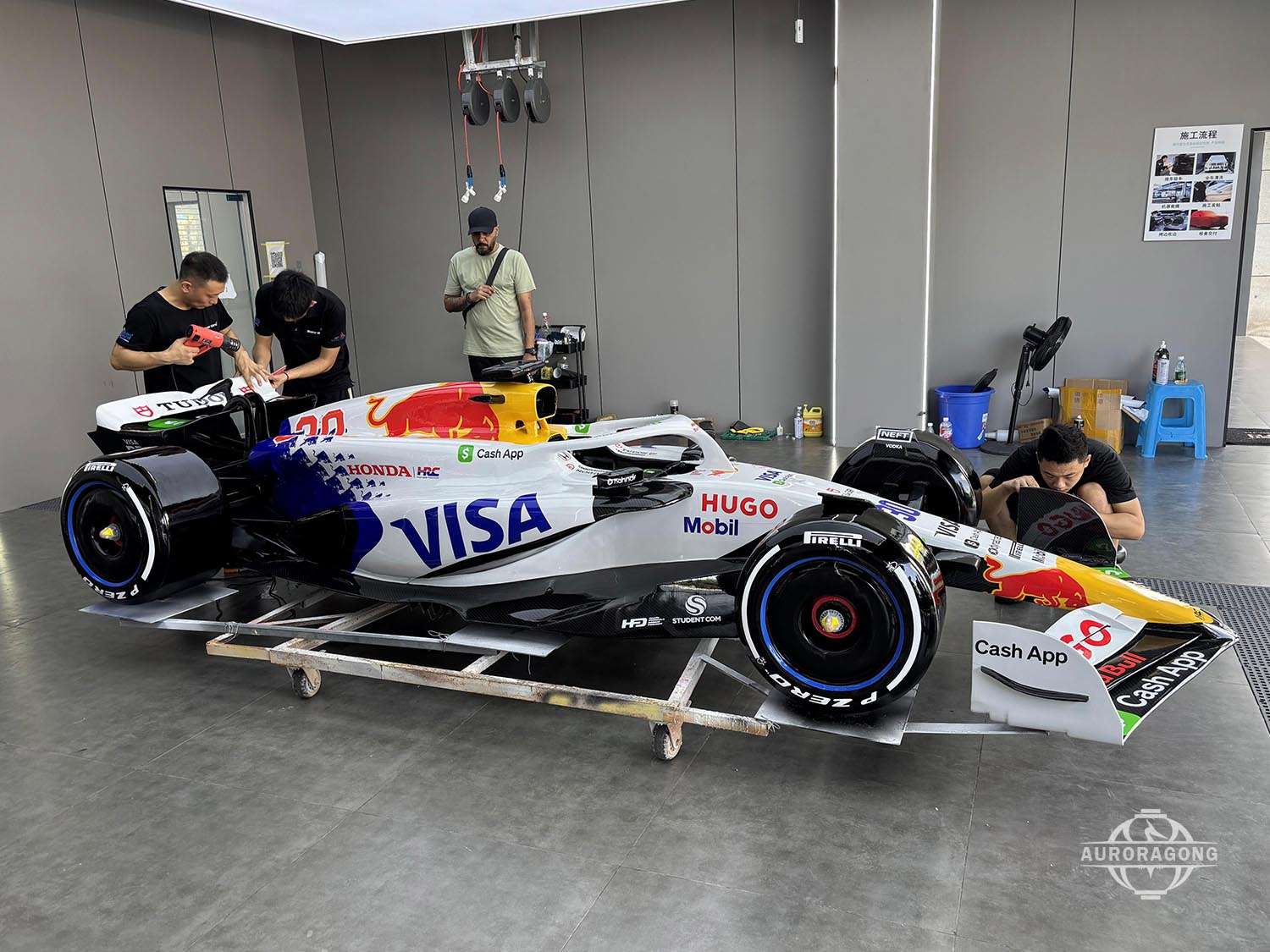
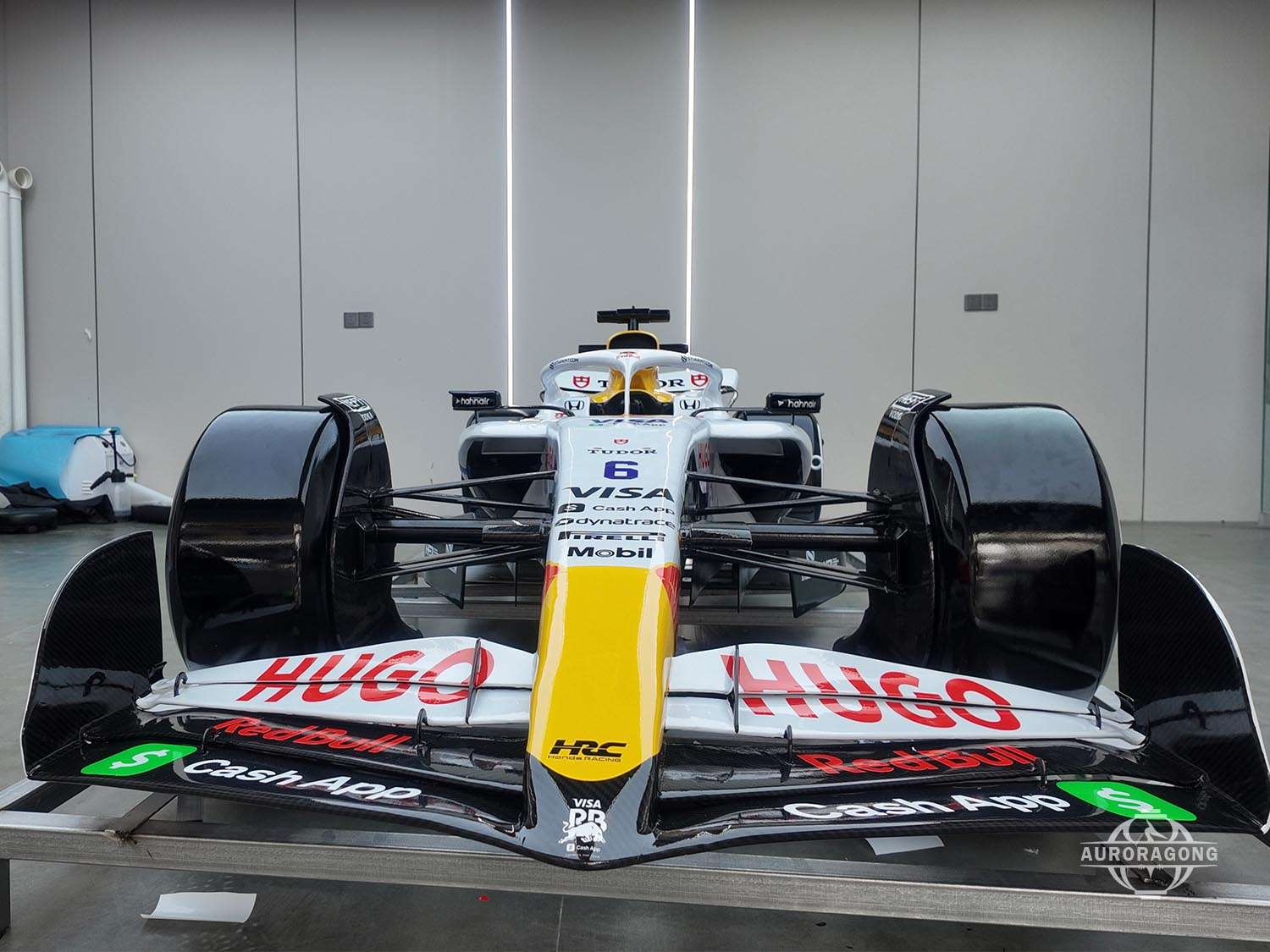
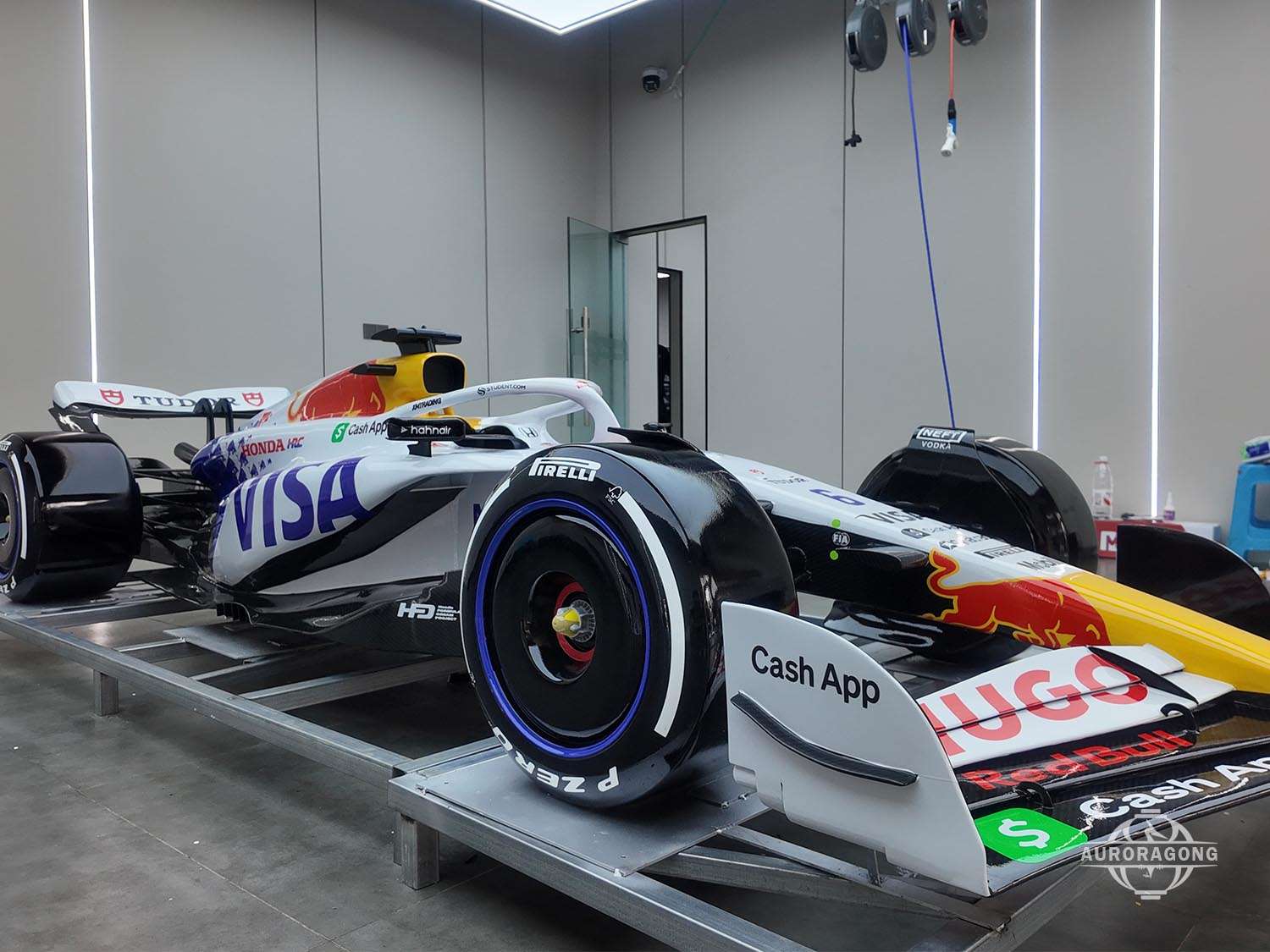
High Quality F1 Racing Car Model
| Model Number: | AuroraGong-251114-001 |
| Scientific Name: | F1 Car Model |
| Product Style: | Customization |
| Size: | 4.2 Meters long |
| Color: | Any color is available |
| After Service: | 12 Months after installation |
| Payment Term: | L/C, T/T, Western Union, Credit Card |
| Min.Order Quantity: | 1 Set |
| Lead Time: | 30-50 days |
Share:
Product Description
A 1:1 F1 racing car model is not a large toy. It is a display prop that has to hold up to being photographed from every angle by people standing right beside it. That sets the standard: panel gaps, surface finish, and how the details read at arm’s length, not from across a hall.
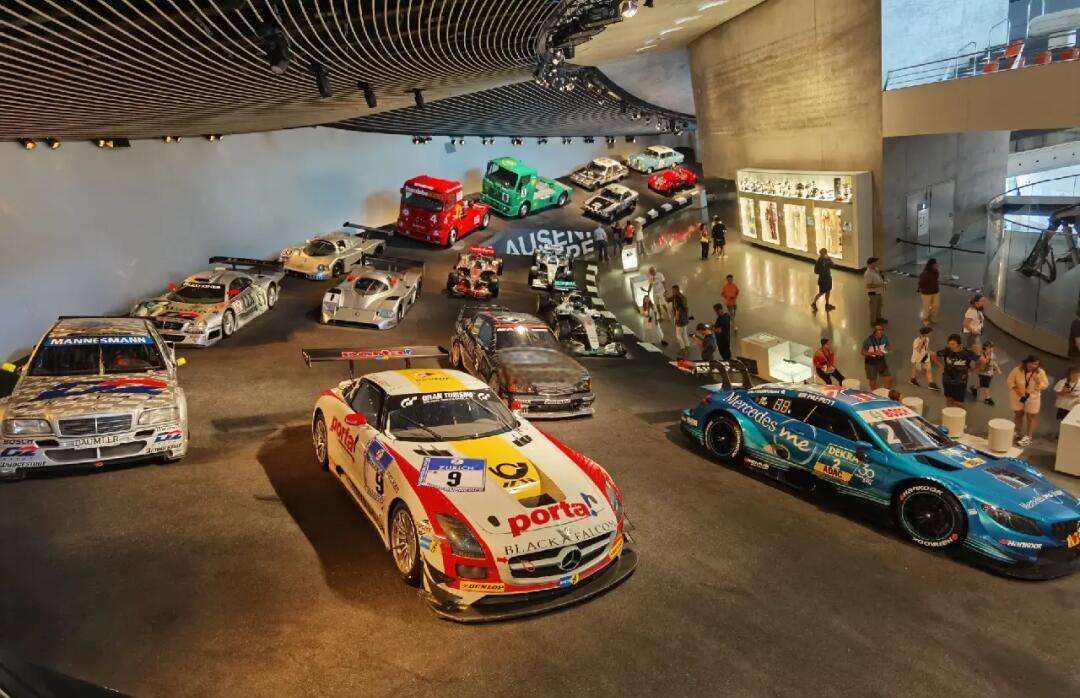
Buyers come from four places, and they want slightly different things. Brand teams use a car as the backdrop at a launch or a promotional event. Shopping centres place one as a seasonal centrepiece. Museums and motorsport venues treat it as a static exhibit. Theme parks and attractions put one where visitors queue, walk past it, or stop for a photograph.
Where it stands decides more than the design does. Ceiling height and door widths matter if the car goes indoors, because a full-size car cannot be tilted through an opening that a smaller piece would clear. Ground surface decides whether it needs a base plate or can sit directly on the floor. A display that stays outdoors for a season is planned differently from one that goes up for a weekend.
Scale is the first real decision for an F1 racing car model, and the space usually makes it for you. A full-size car needs the room a real car needs, and it only reads correctly when people are standing beside it. A reduced scale suits a lobby, a corridor or a lift lobby where a full car would block movement, and it still photographs as a car as long as the proportions are held.
Colour and livery come from the client’s brand, not from a catalogue. Artwork can arrive as a sponsor deck, a style guide, or a set of reference photographs, and the car is finished to match. Where the artwork belongs to a team, a championship or a sponsor, the client arranges the rights and supplies the material. Our work is fabrication to that artwork.
Detail level is worth settling early, because it is the difference between a fiberglass sculpture that works in photographs and one that only works at a distance. At the top end this means the surfaces inside the wheel arches, the shape of the cockpit opening, and the small aero pieces that most reproductions leave off. Invisible in a wide shot, immediately obvious in a close one.
Interactive elements are optional, and the setting should choose them. Lighting that responds to a passing visitor suits an attraction. A static piece with a clean finish usually suits a brand activation, where movement competes with the thing being promoted. Movable parts belong where visitors can walk all the way around the car.
Outdoor placement is a separate brief. A piece that spends a season outside has to be fixed against wind instead of simply set down, and the base gets planned around the surface it stands on: paving, gravel and lawn each take a different arrangement. This is settled with the client before the build, not adapted on site.
For a display in a public area, the approach route matters as much as the spot itself. A full-size car has to get from a vehicle to its final position through whatever the venue has: a service corridor, a loading bay, a lift, or a set of steps. Buyers who check this early avoid the most common surprise of an installation week.
What we need in order to quote accurately is short. Where the car will stand, indoors or outdoors, the surface it stands on, the approximate space available, and the artwork the finish has to match. With those we come back with a build recommendation and a scale suggestion, not a list of options to choose from. For a fuller look at what to prepare before ordering, the notes on design files, sizing and site planning are set out separately.
Design, fabrication and installation are handled as one scope. Nothing about how the car is built or finished needs managing from the client’s side, and the first thing a client sees on site is a finished piece in position.
F1 Racing Car Model Video
F1 Racing Car Model parameters
Scale: 1:1 full size as standard, or reduced scale to suit the space available.
Finish: Finished to the client’s artwork, colour reference or brand guideline.
Placement: Indoor display, or outdoor with a fixing arrangement planned to the surface.
Options: Lighting and movable parts available on request.
Core advantages of F1 Racing Car Model
Highly Realistic Details
The wheels, cockpit, and aerodynamic appearance are all realistically replicated from real race cars.
Enhanced Interactive Experience
Movable parts or lighting devices can be added to enhance the fun and visual appeal of the display.
Lightweight and Durable
Made of high-strength fiberglass, it combines lightweight and durability.
Flexible Customization Options
Supports brand logos, paint schemes, personalized colors and decorations, etc.
Use cases of F1 Racing Car Model
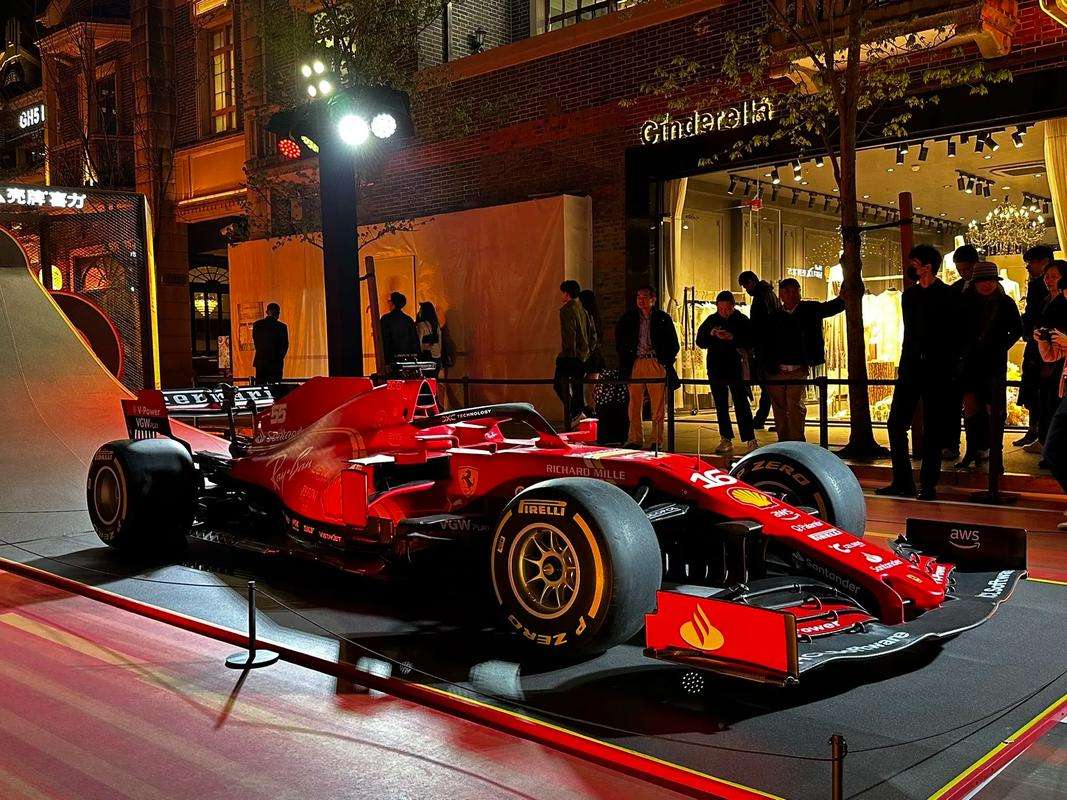
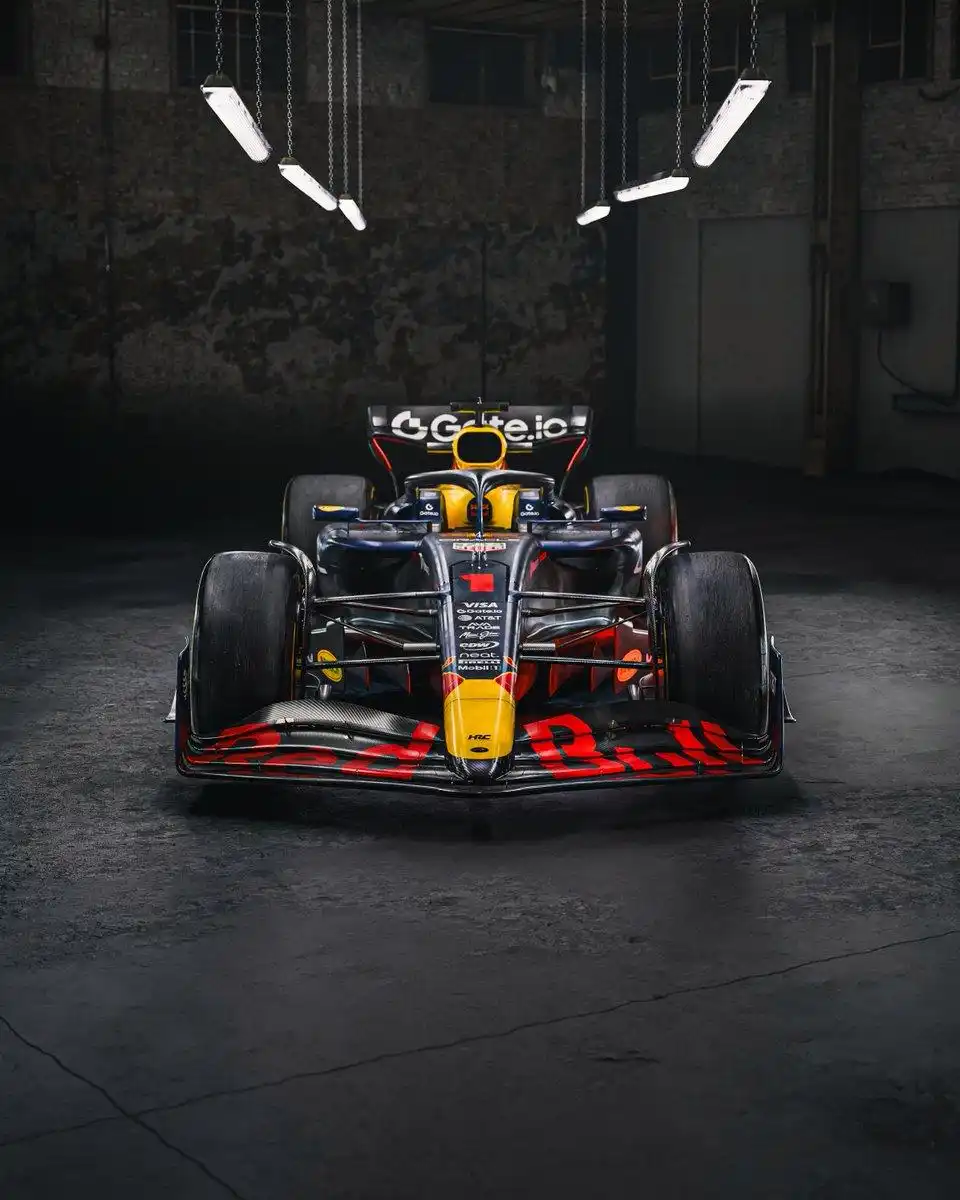
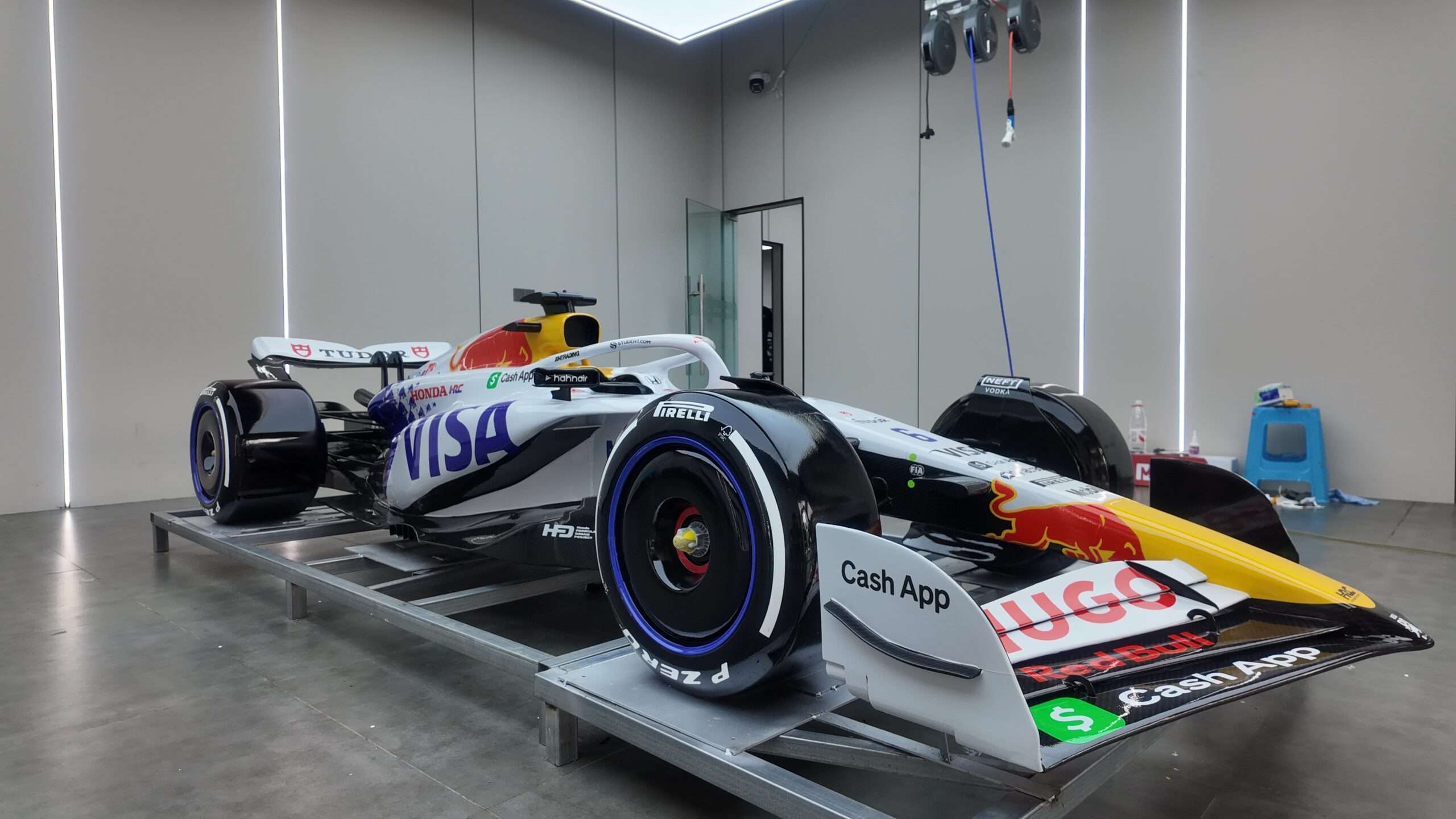
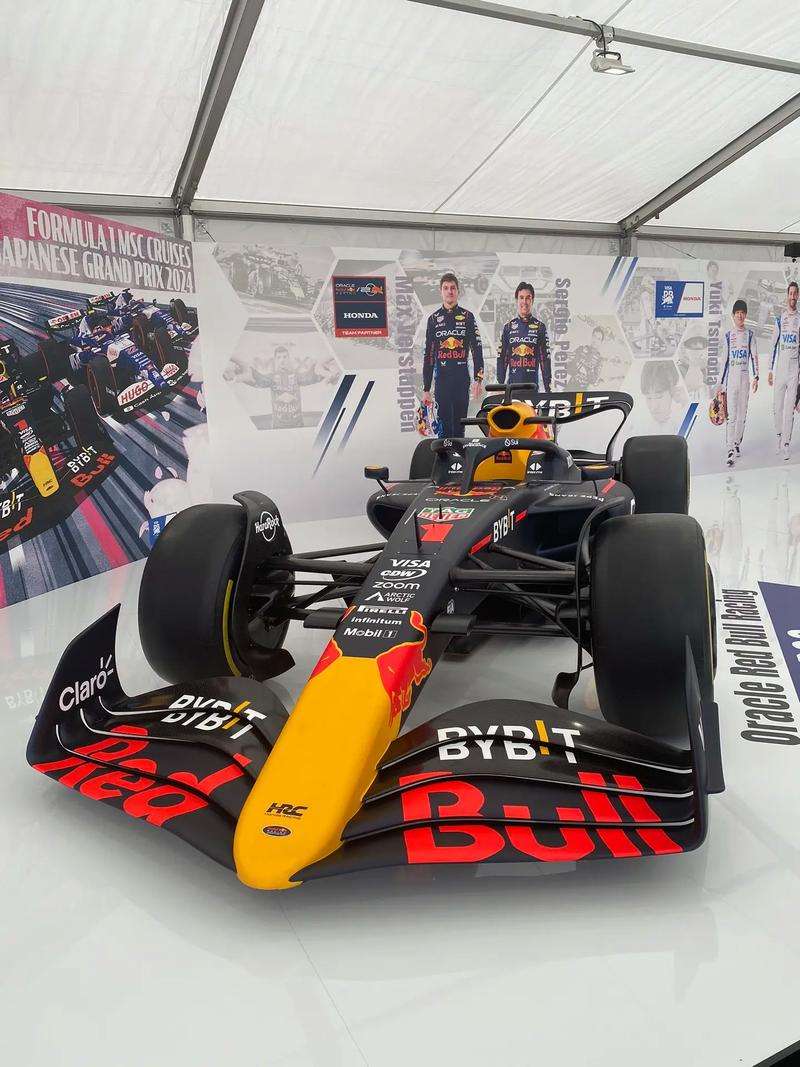
Suitable for exhibitions, theme parks, commercial events, and private collections, it showcases the charm of realistic racing cars in multiple scenarios, enhancing the interactive experience and viewing value.

F1 Racing Car Model production process

Each F1 racing car model design goes through a very rigorous manufacturing process from inception to final product. Our team employs state-of-the-art technology and professional craftsmanship to produce designs of very high standards in terms of accuracy, quality, and reliability.
1. Design: Confirm project requirements and design details.
2. 3D Modeling: Create an accurate digital model.
3. 3D Printing: Print high-precision model components.
4. Model Assembly: Assemble all parts into the complete model.
5. Puttying & Sanding: Smooth and refine the surface by hand.
6. Coloring: Apply professional painting and finishing.
7. Packaging & Shipping: Pack securely for safe global transportation.
8. Installation: Provide installation guidance and support.
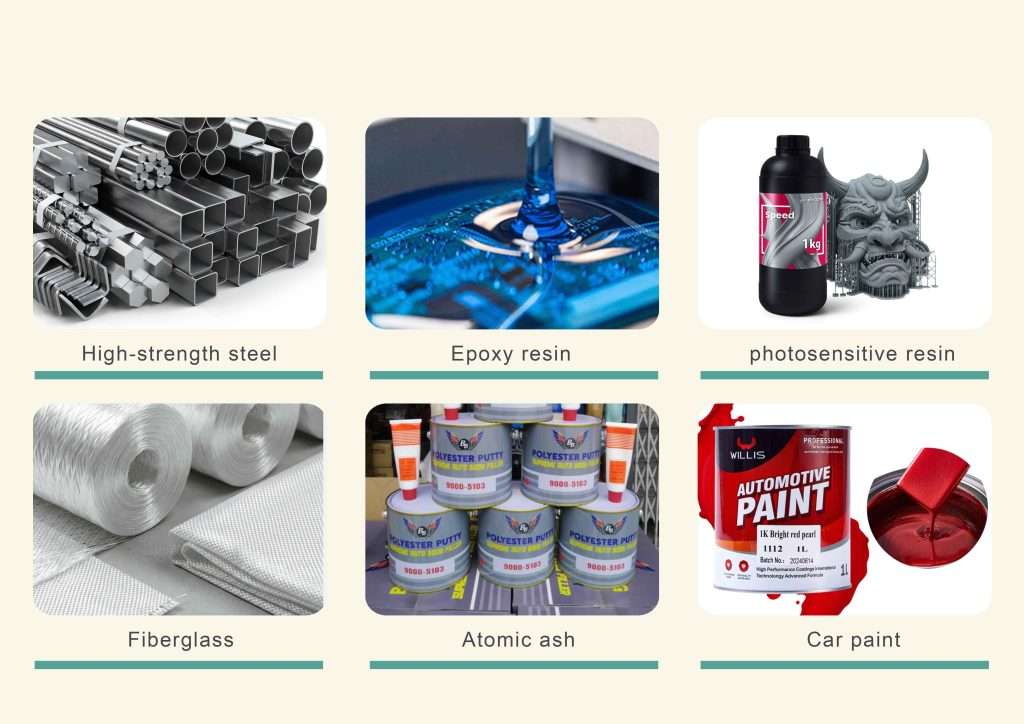
Main Materials for F1 Racing Car Model
At AuroraGong we have strict requirements on the quality of the materials used in our products.
The materials mainly including:
1. High-strength steel
2. Epoxy resin
3. Photosensitive resin
4. Fiberglass
5. Atomic ash
6. Car paint
Why Choose AuroraGong as Your F1 Racing Car Model Manufacturer?

10+ years of experience
5000㎡ factory
50+ technicians
Custom design for every project
Professional installation support
Exported to 60+ countries
CE certification
One-Stop solution, including design, manufacturing, shipping, installation, and after-sales service.